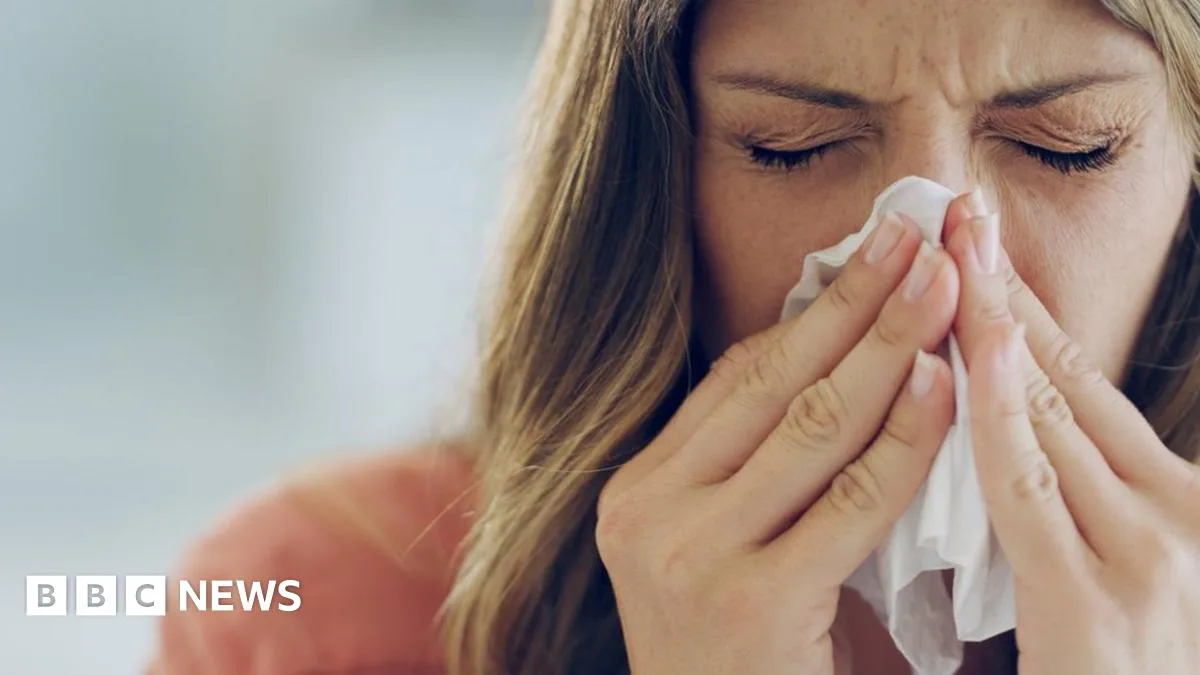
BBC Doctor Issues Face Mask Alert for Hay Fever Sufferers
NHS GP and BBC Morning Live's resident doctor, Dr Punam Krishan, has issued a timely alert recommending face masks for individuals experiencing specific hay fever symptoms this spring. Speaking on the March 26 episode of the daytime talk show, she emphasised that wearing face masks can provide significant relief for those struggling with seasonal allergies.
Surge in Hay Fever Cases Due to Mild Winter
The alert comes as Dr Krishan noted her surgery has been exceptionally busy lately, with numerous patients presenting with various ailments. She highlighted that hay fever is particularly prevalent currently, attributing this to an unusually mild winter which triggered higher pollen counts earlier than usual.
"I've been seeing so many patients coming in, actually, from as early as February with hay fever," Dr Krishan explained. "It's earlier than we normally have, and that's because we had a very mild winter; even though we don't feel that way, it was a milder winter."
Five Common Symptoms of Hay Fever
Dr Krishan identified five key symptoms that indicate hay fever rather than a common cold:
- Itchy eyes
- Runny nose
- Sneezing
- Nasal congestion
- Significant fatigue
"So a lot of patients have been coming in and going, 'Gosh, I've just not been able to clear this cold for weeks', and actually it's not been a cold at all, it's been hay fever," she added, noting the confusion many experience during seasonal transitions.
How Face Masks Help with Pollen Protection
Dr Krishan specifically recommended face masks as an effective tool for pollen protection. "If you're particularly sensitive and susceptible, face masks are great for just stopping pollen from getting into your airways," she advised.
According to Allergy UK, masks serve dual purposes: they physically block pollen from entering the nose and mouth while creating warm, moist air that reduces nasal reactivity to allergens. Research indicates that both surgical and N95 masks can alleviate allergy symptoms outdoors, especially during high pollen periods.
While masks don't cure hay fever or eliminate all symptoms—particularly eye-related issues—they represent a low-cost, accessible management tool for seasonal allergies.
Understanding UK Pollen Seasons
The UK experiences three distinct pollen seasons:
- Tree pollen in early spring (birch, oak, and ash trees from March to June)
- Grass pollen in late spring and summer (May to July)
- Weed pollen in late summer and autumn (nettles and mugwort from June to September)
The NHS confirms that symptoms typically worsen between late March and September when pollen counts peak during warm, humid, and windy conditions. Unlike colds that resolve within one to two weeks, hay fever can persist for weeks or months.
Additional Practical Tips for Hay Fever Management
Dr Krishan shared several complementary strategies for managing hay fever symptoms:
- Monitor forecasts: Check weather reports for pollen count alerts
- Secure your home: Keep windows closed to prevent pollen ingress
- Protect your eyes: Wear sunglasses outdoors to shield eyes from pollen
- Create barriers: Apply petroleum jelly around nostrils and under eyes to trap pollen
- Decontaminate: Remove and wash outdoor clothing immediately, and shower to eliminate pollen from hair and skin
Recognising Hay Fever Versus Common Colds
The NHS describes hay fever as a common allergy causing sneezing, coughing, and itchy eyes, with additional symptoms including:
- Runny or blocked nose
- Itchy throat, mouth, nose, and ears
- Loss of smell
- Headaches and facial pain
- Persistent tiredness
While there's no cure, various management approaches and medications can help control symptoms effectively throughout the pollen season.






