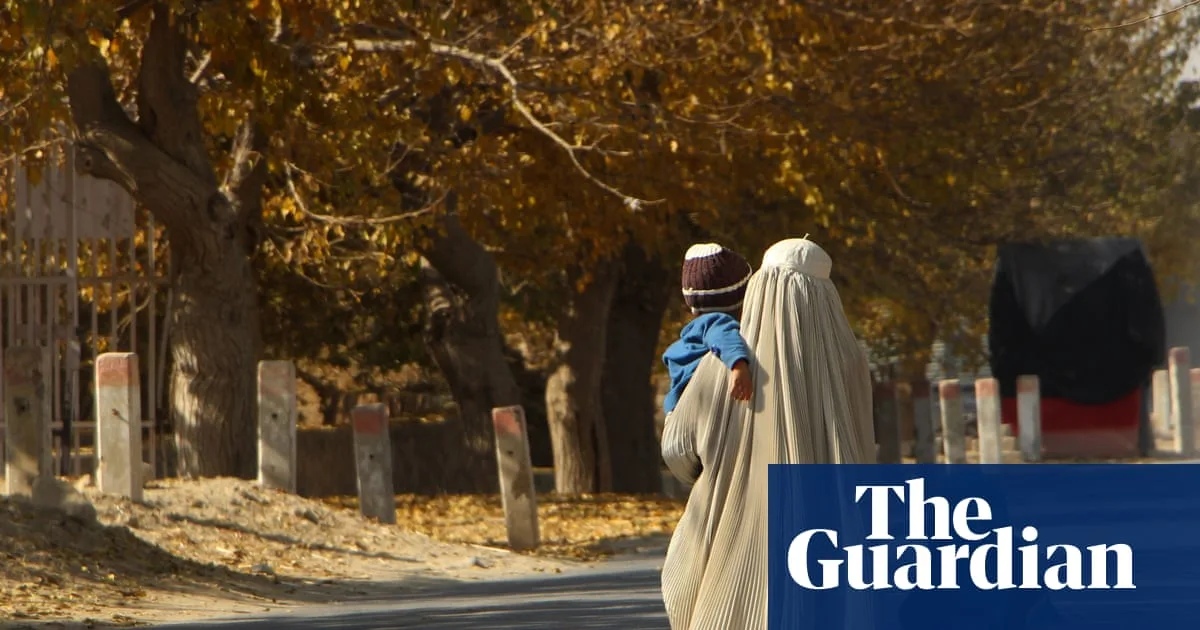
In a stark and urgent letter to the Guardian, Dr Carol Mann, President of Femaid in Paris, has issued a dire warning about the escalating healthcare crisis facing women in Afghanistan under Taliban rule. Her response to an article on the Taliban's birth control ban highlights a future where medical care for Afghan women could vanish entirely, with the international community standing by in silence.
The Devastating Impact of Taliban Policies on Women's Health
Dr Mann points out that while the original article accurately depicted the tragic consequences of the Taliban's contraception ban, it missed several critical and damning facts. First, she notes that spiralling poverty in Afghanistan is driving a horrifying trend: girls as young as 12 or even younger are being married off. This practice is essentially a financial transaction, where fathers receive dowries, with younger girls fetching higher sums. This not only robs these girls of their childhood but also exposes them to severe health risks, including lethal pregnancies and untreated miscarriages, as highlighted in the earlier report.
The End of Women's Medical Education and Care
More alarmingly, Dr Mann emphasises that the Taliban have imposed a complete ban on any form of study or work for girls and women beyond minimal primary schooling. As a result, universities and medical schools in Afghanistan are now exclusively training men. This policy has a catastrophic implication: once the current generation of female doctors, midwives, surgeons, and nurses—who are still permitted to work for now—passes away, women will be left with no access to medical aid whatsoever.
Compounding this issue is the Taliban's prohibition on women consulting male practitioners, effectively cutting off all avenues for healthcare. Dr Mann describes this not merely as gender apartheid but as the rise of a genocidal policy against women, unique in its brutality and scope. She laments that despite the severity of this situation, the world remains largely silent, failing to intervene or speak out against these human rights violations.
A Call to Action Amid Global Indifference
Dr Mann's letter serves as a powerful call to action, urging greater awareness and response to the plight of Afghan women. She underscores that the combination of enforced child marriage, the denial of education and employment opportunities, and the impending loss of female healthcare professionals creates a perfect storm of suffering. Without immediate international attention and pressure, she warns, the future for women in Afghanistan is bleak, with potentially irreversible consequences for their health and wellbeing.
This crisis extends beyond mere policy disagreements; it represents a systematic erosion of women's rights that demands global condemnation and action. As Dr Mann poignantly concludes, the silence from the world is as damning as the policies themselves, highlighting a urgent need for advocacy and support from organisations and governments worldwide.




