
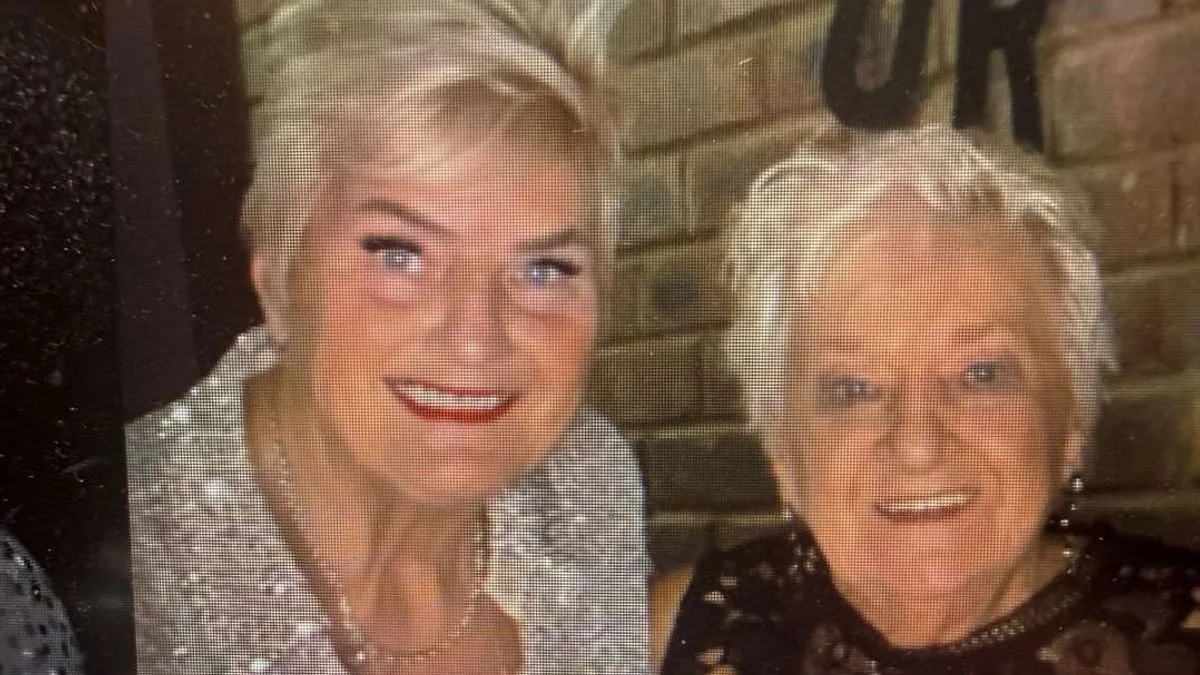
A 94-year-old woman is said to have been left on a hospital trolley for 36 hours after suffering what is believed to have been a stroke. Rita Holohan became unwell days after completing an indoor skydive, which she had listed as a personal ambition.
Paramedics were called at around 9.30pm on Friday and assessed that she had suffered a mini-stroke. She was taken to accident and emergency at Queen Elizabeth Hospital in Lynn, Norfolk, where she remained on a trolley for 36 hours before being moved to a ward.
Her daughter, Beverley Pegg, described the care as “a joke” and said the family was left without updates. “This time last week she was indoor skydiving, and this week lying in a hospital bed without knowing what’s wrong,” she said. Ms Pegg, a nurse herself, said she had tried calling seven times for an update but calls were cut off or the phone was engaged.
Hospital bosses said staff “work hard” to provide appropriate care as quickly as possible during busy periods. Richard Parker, chief operating officer, said: “We are sorry to hear of the concerns raised by a patient’s family. While we are unable to comment on individual cases, we want to reassure people that patients are assessed and prioritised according to their clinical need, and our teams work hard to provide appropriate care as quickly as possible during periods of high demand.”
Mr Parker added that the trust recognised waiting in hospital can be distressing and that communication was important, while noting continued pressure and plans to improve patient flow.




