






From Vodka Mug to Motherhood: How Childhood Trauma Fueled a Secret Addiction
Vodka Mug Addiction: Childhood Trauma's Lasting Impact

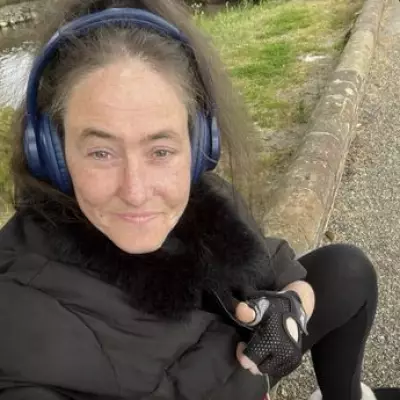
At first glance, Amanda Black appeared to have everything one could desire in life. The 38-year-old content creator maintained a happy home environment, cherished her two beautiful children, and shared her life with a devoted partner. Yet beneath this picture-perfect exterior raged a private battle that consumed three years of her existence.

The Daily Ritual of Self-Destruction

For those three agonizing years, Amanda drank vodka from a coffee mug from the moment she woke until she passed out each evening. "I drank vodka all day, every day," she confesses. "Addiction turned me into someone I didn't even recognise, someone I hated. It's thousands of tiny cracks that finally split you open."

This relentless consumption became her counterfeit version of confidence, a distorted form of self-love that temporarily convinced her she was acceptable. "Ultimately, I drank because for a few hours alcohol convinced me I was okay," she explains.

The Childhood Wound That Never Healed

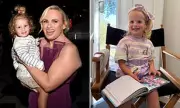
If Amanda could identify a moment when her sense of self first shattered, she returns to being five years old, around the time Disney's Aladdin captivated audiences. She adored her little Princess Jasmine costume, the kind that revealed her stomach, and eagerly awaited her father's visit.

"I walked into the room hoping he'd smile and tell me I looked beautiful, maybe even more magical than Jasmine herself," she recalls. Instead, her father stared at her tiny tummy and declared: "You're way too fat to be wearing that. You have rolls. You need to go on a diet."

The little girl crawled into the fireplace to hide, listening as her father continued discussing her body with other family members, suggesting they should monitor her weight. When he found her, his apology focused not on the hurt caused but on his tactical error: he should have humiliated her privately rather than publicly.

The Poisonous Legacy of Childhood Words

He even provided a rudimentary "diet plan," speaking to her as if she were a teenage boy preparing for wrestling rather than a little girl enjoying dress-up. "Did that moment make me an alcoholic? No," Amanda clarifies. "But it taught me to hate myself. And I drank to hate myself less."

Those paternal words planted a toxic seed that grew for decades, blossoming into full addiction when combined with postpartum stress, anxiety, and inadequate coping mechanisms. "Decades later, those internal scars collided with postpartum stress, anxiety, and a mind that didn't know how to cope," she explains.

The Dangerous Descent

Amanda mistakenly believed vodka served as her "life vest," though it was actually sinking her deeper into dependency, especially when combined with the supplement kratom. Her intoxication led to frequent kitchen accidents where she would cut or burn herself while cooking drunk.

She would visit her father's home to escape other family members, where they would engage in dangerous activities while intoxicated, including axe-throwing, crossbow shooting, and dirt bike riding. Her addiction reached such extremes that she attended a pregnant friend's baby shower "blind drunk and useless" before driving home.

On another occasion, she drove to the hospital drunk after her grandmother fell, pretending to be present while obsessing about her next drink. The physical consequences mounted, including a punctured lung and broken ribs from a fall while intoxicated.

The Turning Point

On September 11, 2023, Amanda drove through a stop sign and was struck by an SUV traveling at 55mph. The impact fractured her pelvis, shattered her glasses, and left her tasting blood. Yet what haunts her dreams most are the terrified screams of four children in the other vehicle.

Remarkably, she wasn't drunk that morning. She had promised her fiancé she wouldn't drink during her commute to work—a rare promise kept—and that decision likely saved lives. At the hospital following the crash, emergency room doctors delivered news that changed everything: she was pregnant.

The Fight for Sobriety

That unborn child became her reason to fight through agonizing withdrawals while bedridden and unable to walk, permitted only paracetamol during what felt like endless suffering. "It was the worst pain of my life," she admits. "But for the first time, that pain led somewhere better."

Her path to recovery proved neither straightforward nor linear. Her darkest spiral occurred with a relapse last October, when her fiancé FaceTimed to see their six-month-old baby girl and immediately detected her intoxication. When questioned, she lied, then swore on their daughter's life that she hadn't been drinking.

"She had open-heart surgery at three days old," Amanda whispers with lingering shame. "And I swore on her life just to keep drinking. I still can't forgive myself for that."

Rebuilding a Life

When her deception finally unraveled, salvation came not through voluntary honesty or bravery, but through being caught. Her daughter survived open-heart surgery, and her ten-year-old son finally has a mother who consistently shows up for him.

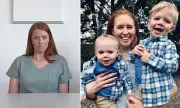
Amanda now wakes up sober each morning without relapse. She plays on the floor with her children, feels genuine sunshine, laughs authentically, and apologizes when necessary. "Sobriety gave me back my heart," she declares.

Her fiancé, who steadfastly remained during her deepest drifting, now witnesses her ascent rather than descent. Their love has strengthened, and peace now characterizes their household.

Sharing to Heal and Help

Amanda now shares her story not to relive shame but to prevent others from drowning in similar addiction. On TikTok, she presents every ugly truth transparently. People thank her for helping them achieve sobriety and for making them feel less isolated in their struggles.

"I thought alcohol made me powerful," Amanda reflects. "But it was sobriety that showed me I actually am." She acknowledges carrying emotional scars that may never completely fade, yet insists: "There is life after addiction. There is joy after sorrow. You can be the hero and the princess."

From drinking vodka from a coffee tumbler every morning to reading bedtime stories with a clear mind and full heart, Amanda summarizes her transformation: "I'm a mum. I'm a fiancée. I'm a woman who fought her way back. And if I can climb out of that darkness, absolutely anyone can."