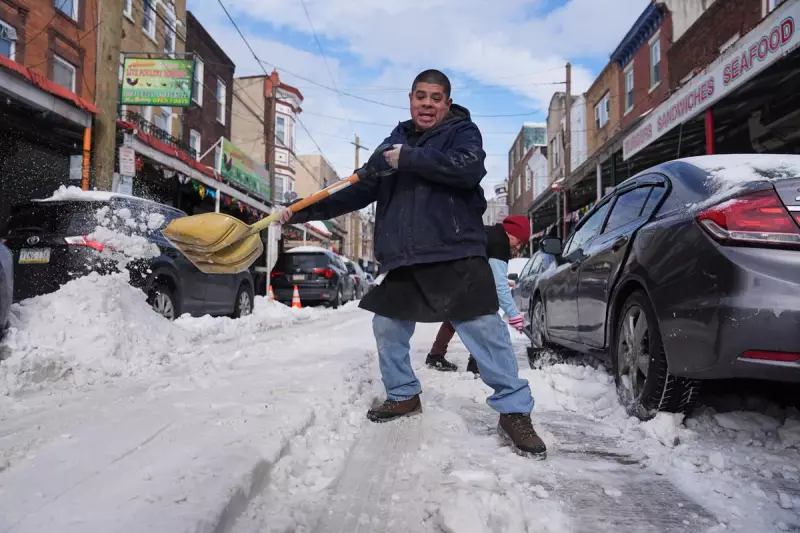
Health authorities across the United Kingdom are issuing urgent warnings about the significant cardiac dangers associated with clearing snow following major winter storms. The combination of intense physical exertion and freezing temperatures creates a perfect storm for cardiovascular emergencies, with recent incidents highlighting the potentially fatal consequences.
Recent Tragedies Highlight Winter Peril
Pennsylvania health officials reported three snow-removal related fatalities on Sunday, all involving individuals aged between 60 and 84 years old. The Lehigh County coroner's office has subsequently advised people to take regular breaks and consciously avoid over-exerting themselves during snow clearance activities. These tragic cases serve as a sobering reminder of the hidden dangers that accompany winter weather maintenance.
Why Snow Shoveling Strains Your Heart
Medical research consistently demonstrates that snow shoveling constitutes heavy, demanding physical labour that places substantial stress on the cardiovascular system. Performing this activity for even brief periods can make the heart work as intensely as during a vigorous athletic workout or gym session. The American Heart Association explains that this strain becomes particularly dangerous when combined with cold environmental conditions.

When exposed to freezing temperatures, the body's blood vessels – including those crucial arteries that supply the heart muscle itself – undergo constriction or narrowing. This physiological response significantly elevates blood pressure, which in turn dramatically increases the likelihood of experiencing a heart attack, stroke, or sudden cardiac arrest. The dual assault of physical exertion and vascular constriction creates a hazardous scenario for individuals of all fitness levels.
Who Faces the Greatest Danger?
Snow clearance activities present especially elevated risks for several vulnerable groups. These include anyone with diagnosed heart disease, individuals who have previously survived a heart attack, older adults, and people with established cardiovascular risk factors such as high blood pressure or elevated cholesterol levels. However, medical experts emphasise that even those who consider themselves generally healthy can encounter serious problems.
The dangerous combination of strenuous activity in cold weather proves particularly treacherous for people who maintain predominantly sedentary lifestyles until compelled to engage in snow removal during winter storms. This sudden shift from inactivity to intense physical labour without proper conditioning can overwhelm the cardiovascular system with potentially catastrophic results.
Essential Safety Recommendations
The American Heart Association provides crucial guidance for those who must undertake snow shoveling duties. Their primary advice centres on adopting a measured, cautious approach: proceed slowly, take frequent rest periods, and whenever possible, push snow aside rather than lifting and throwing heavy loads. This technique reduces strain on both the heart and musculoskeletal system.
Equally important is public awareness of common heart attack warning signs, which include chest discomfort, shortness of breath, nausea, light-headedness, and pain radiating to the arms, back, neck, or jaw. Health authorities strongly urge anyone experiencing these symptoms to immediately call emergency services rather than attempting to wait them out or dismiss them as mere exhaustion.
As winter weather continues to affect communities across the UK and beyond, these medical warnings serve as vital reminders that snow clearance, while necessary, requires careful consideration of personal health limitations and environmental conditions. Taking appropriate precautions could mean the difference between completing a chore and facing a life-threatening medical emergency.