
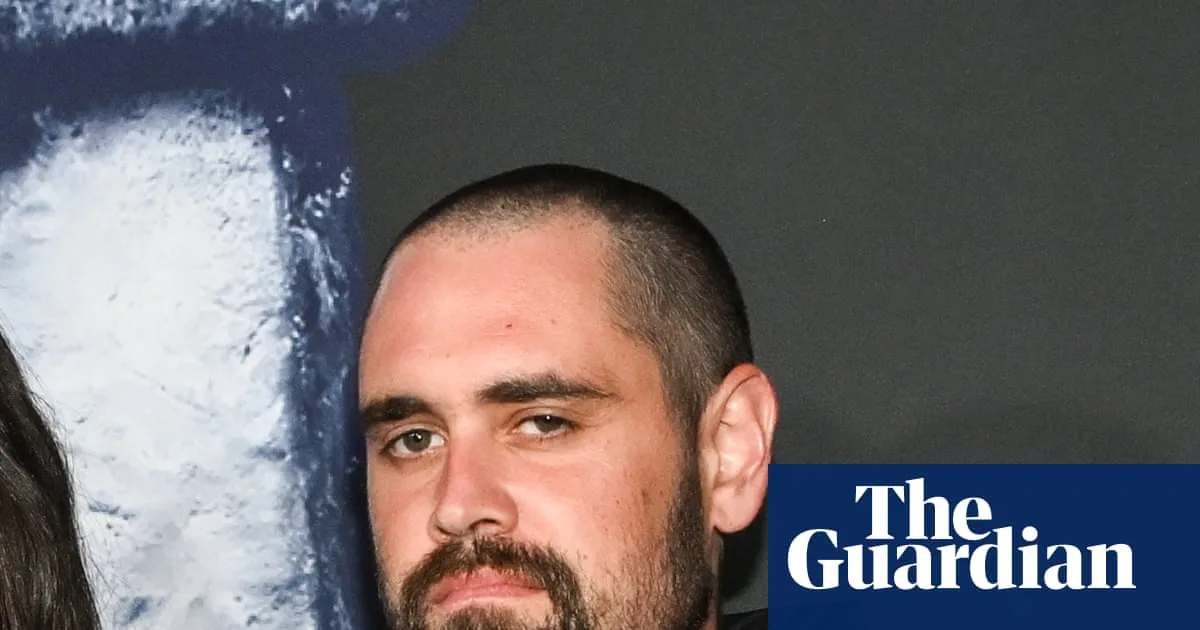
Nick Reiner, 32, has pleaded not guilty to two counts of first-degree murder in the stabbing deaths of his parents, actor and director Rob Reiner and photographer Michele Singer Reiner. The plea was entered by his new attorney, public defender Kimberly Greene, during an arraignment at a Los Angeles court on Monday. Reiner appeared in an enclosed custody area wearing brown jail clothes, a change from the suicide prevention smock he wore during a previous appearance in December.
The bodies of Rob Reiner, 78, and Michele Singer Reiner, 70, were discovered at their Los Angeles home by their daughter on 14 December. Police took Nick Reiner into custody that evening. He is charged with two counts of first-degree murder, with a special circumstance of multiple murders and a special allegation for use of a dangerous weapon. He is being held without bail. The Los Angeles County medical examiner determined the couple died from “multiple sharp force injuries”.
The case has drawn extensive media coverage due to the prominence of the victims and the circumstances surrounding the killings. Nick Reiner has a documented history of struggles with addiction and mental illness. He was under a conservatorship in 2020 due to mental health issues, and had reportedly been prescribed medication used to treat schizophrenia. His behaviour was described as increasingly erratic in the days before the killings.
At a Christmas party hosted by comedian Conan O’Brien the night before the bodies were found, Rob and Nick Reiner were heard arguing. O’Brien later described the couple as “lovely people” and expressed shock at their deaths. The district attorney's office is still awaiting a full autopsy report, and Los Angeles District Attorney Nathan Hochman stated that the case is eligible for the death penalty, but no decision has been made yet.
Nick Reiner's former attorney, Alan Jackson, withdrew from the case last month, citing circumstances that made it “impossible to continue our representation”. He maintained that Reiner is not guilty of murder, stating, “You can take this to the bank.”




