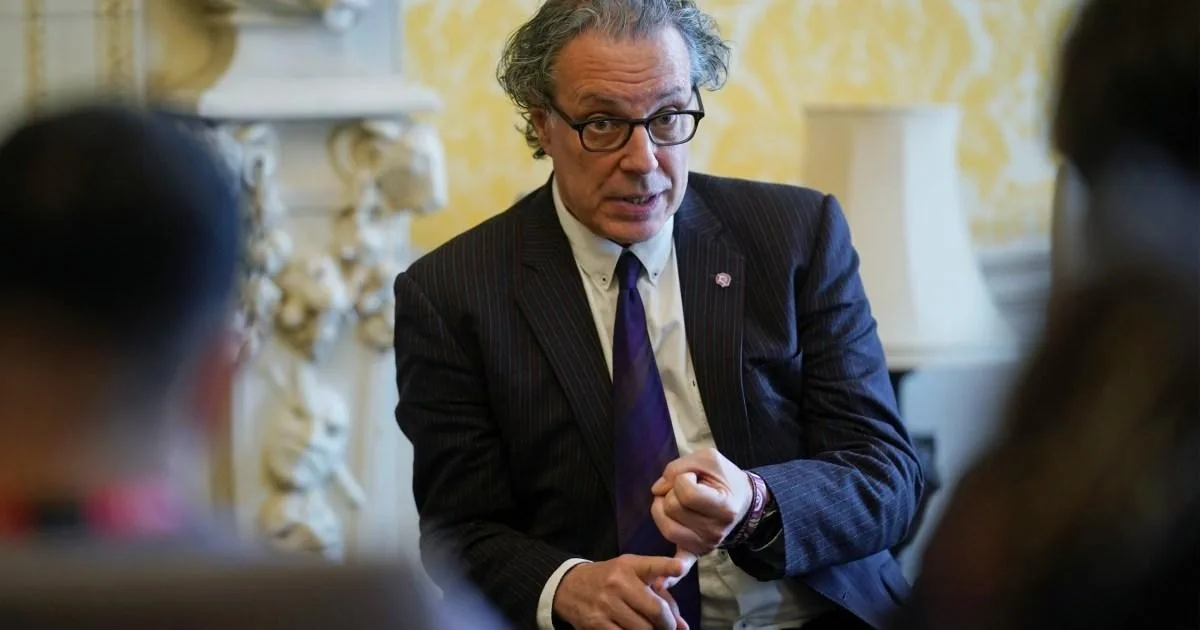
Ian Russell, the father of Molly Russell who took her own life aged 14 after viewing harmful content online, has criticised the government's plans to introduce a social media ban for under-16s as 'rushed' and 'deplorable'. Sir Keir Starmer is expected to announce the measure on Monday, following Australia's lead, less than three weeks after a consultation ended with over 110,000 responses.
Mr Russell, who founded the Molly Rose Foundation in his daughter's memory, told the BBC he was 'quite frankly dismayed' by the reports. He said that in opposition, Sir Keir had promised to tighten online safety regulations, but now appeared to be 'playing politics' and 'gambling with young people's lives'. He described the proposed ban as a 'rushed' move that would be 'deplorable'.
Culture Secretary Lisa Nandy responded by saying she 'respectfully disagree[s]' with Mr Russell, arguing there is 'no one solution' and that 'young people need help now'. She added that tech companies have had 'more than enough time' to make their platforms safe for children, and if they fail to do so, they 'lose the right' to market their products to them.

A poll by the Public Policy Research (IPPR) think tank found the public is split: 44% support a ban, while 39% prefer tighter regulation. However, 54% of parents with a child under 16 back a ban. Mr Russell pointed to research by his foundation suggesting the Online Safety Act has not significantly reduced the number of children seeing harmful content.
Esther Ghey, whose daughter Brianna was murdered in 2023, has previously called for a ban, urging Sir Keir to show 'strong leadership'. The government has faced pressure since Australia enforced its ban in December 2025, and recent reports suggest the UK may allow curated sites like YouTube Kids while blocking others.