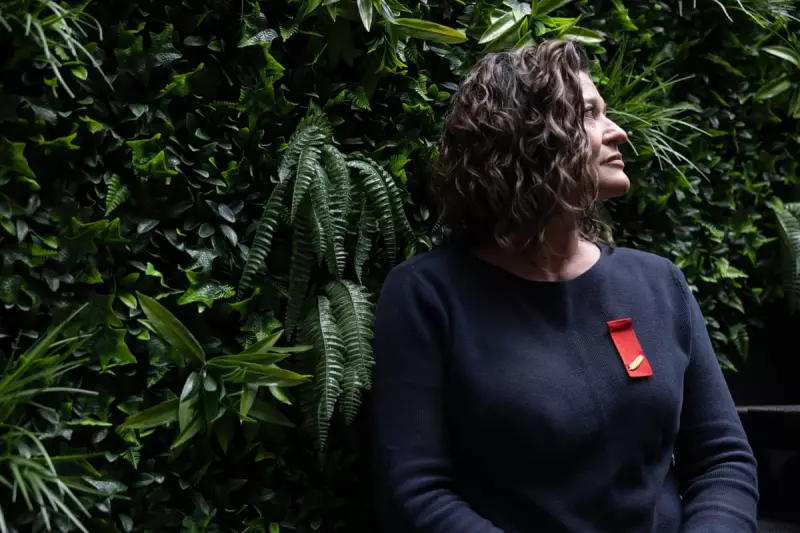
The acrid scent of burning flesh and pulverised concrete remains etched in the memory of Anneke Weemaes-Sutcliffe. On 22 March 2016, the Australian expatriate was moments from checking in for a flight at Brussels Airport when Islamic State suicide bombers detonated two nail bombs in the departure hall. Miraculously unscathed, she initially fled towards an exit after the second blast erupted just metres away. Then, in a split-second decision that defied all instinct for self-preservation, she turned back.
The Immediate Aftermath: Chaos and Courage
The terminal was transformed. A thick, choking dust filled the air, pierced by screams and wailing alarms. The ceiling had partially collapsed. "It turned from buzzing with life to a war zone. It's horrific, absolutely horrific," Weemaes-Sutcliffe recalls. Crawling over debris and casualties, she began administering first aid, using makeshift tourniquets to stem the bleeding of mutilated survivors, offering comfort, and even calling their loved ones to relay the grim news.
Her actions that day are a stark example of the flashes of raw courage that often emerge during mass violence, providing a powerful counter-narrative to the horror. Society instinctively seeks these stories, elevating ordinary individuals to symbolic heroes. We see it in figures like Lynne Beavis, an off-duty nurse who ran towards gunfire during the 1996 Port Arthur massacre, or Samir Zitouni, a rail worker who tackled a knife-wielding attacker on a Cambridgeshire train.

The Fleeting Spotlight and Lasting Scars
But what becomes of these 'accidental heroes' once the media caravan moves on and the awards have been handed out? For many, the legacy is complex and fraught with psychological injury. A year after the Brussels attack, Weemaes-Sutcliffe received an Australian Bravery Commendation. Yet the medal did little to alleviate the trauma. One harrowing memory persists: being unable to lift a fallen beam pinning a man to the ground. "I had to turn around and leave him there to die," she says. "You question every single detail – it's like, could I have done more?"
Her experience is far from unique. Dr Thomas Voigt, who researched the consequences of heroism for his PhD, interviewed 24 Australian bravery award recipients. His findings are sobering: nearly 90% were diagnosed with PTSD or displayed significant symptoms. A third faced financial hardship due to an inability to work. Voigt speaks from personal experience, having received a bravery medal after disarming a gunman in 1998, an act that left him with enduring PTSD symptoms 28 years later.
"Generally speaking, there's lots of media attention and lots of hype, you get your award but then there's nothing," Voigt states. Unlike emergency service personnel, civilians who perform acts of bravery typically have no formal, dedicated support structure. He found that 71% of those he interviewed received no professional intervention after their ordeal.
The Burden of the 'Hero' Label
The public and media's need to create a simplified narrative of victims, villains, and heroes in the wake of tragedy can itself be damaging. Professor Catharine Lumby of the University of Sydney explains that while this helps society process chaotic events, it can also compress complexity and flatten individuals into one-dimensional symbols.
This was acutely felt by Stuart Diver, the sole survivor of the 1997 Thredbo landslide that killed 18 people, including his wife. Rescuers pulled him from the rubble after three days, and he was swiftly elevated to national hero status. Dr Fiona Reynolds, who researched the media's impact on trauma survivors, notes this was "an extraordinarily uncomfortable label for him, given the loss." Diver became an 'accidental celebrity,' thrust into a spotlight that compounded the helplessness of his trauma.
"When you are held up as a hero type, you can naturally feel very special," Reynolds says. "Then the spotlight moves on. For some people that's welcome but others feel suddenly unimportant and even discarded."

Navigating a Path Forward: Trauma and Growth
The psychological journey for these individuals is not solely defined by suffering. Alongside PTSD, many experience post-traumatic growth – positive psychological change forged in the aftermath of crisis. For some, this manifests as a renewed pursuit of passions or a reshuffling of life's priorities.
For Anneke Weemaes-Sutcliffe, it has cultivated a profound, hard-won appreciation for life's simple pleasures: a glass of wine, a morning coffee, a slice of cake. "Because you just never know what will happen tomorrow," she reflects. "One day it might be you." Despite the years of intrusive memories and guilt, she can now recognise a shift in perspective. Her story, and those of others like her, serve as a crucial reminder that the true cost of heroism is often paid long after the cameras have stopped rolling, in the quiet struggle to rebuild a life.