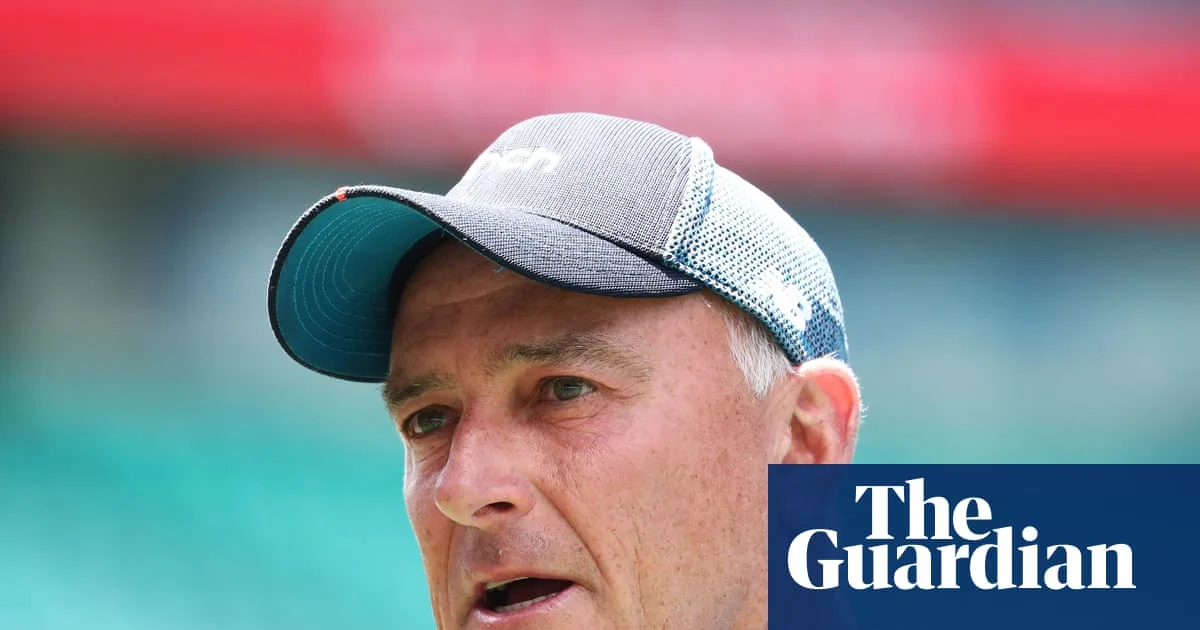
The inquest into the death of former England cricketer Graham Thorpe has heard that he 'spiralled into depression' after losing his job as England batting coach following the 2022 Ashes series. The 55-year-old died on 4 August 2024 after being struck by a train at a railway station in Surrey; his widow, Amanda Thorpe, later said he had taken his own life.
At Surrey coroner's court in Woking on Wednesday, the inquest was told that Thorpe was diagnosed with anxiety and depression in 2018 and had attempted suicide in 2022. His widow stated that, aside from 'a bout of depression' in 2018, there were no significant psychological issues until 2020. She said he found lockdown and Covid 'very difficult, very stressful'.
An incident involving a leaked video filmed in Australia in 2022, which showed police breaking up a drinking session involving players, left Thorpe 'distraught'. His father, Geoff Thorpe, said in a statement that the video caused 'catastrophic damage' and that those responsible for his son's safety and care could have done more to intervene. Amanda Thorpe said the video was leaked after Thorpe shared it with friends, and the situation was 'blown out of all proportion'.
The termination of his employment with the England and Wales Cricket Board (ECB) in February 2022 came as a 'real shock' and marked the 'start of the decline of his mental health', according to his widow. The ECB's chief medical officer, Prof Nick Peirce, noted that Thorpe's private health insurance was extended until May 2022 after his contract ended. He stated that at no point during Thorpe's time at the ECB had there been any concern regarding a risk of self-harm or intent to end life.
Thorpe enjoyed a distinguished playing career for England between 1993 and 2005, scoring 16 Test hundreds including a debut century against Australia, and earning 182 caps across all formats before moving into coaching.