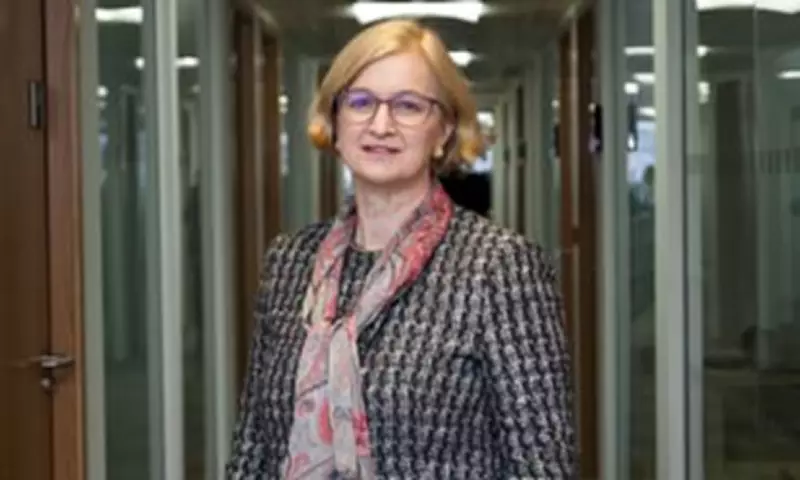
A former head of Ofsted has sparked controversy by suggesting that teenagers are exaggerating mental health problems to appear 'glamorous' among their peers. Conservative peer Baroness Spielman, who served as chief inspector of the schools watchdog from 2017 to 2023, argues that young adults are being encouraged to view themselves as 'fragile' or 'damaged', with some increasingly boasting about their psychological struggles.
Record Rise in NHS Mental Health Referrals
Her comments come against a backdrop of dramatically increasing demand for child and adolescent mental health services. Official figures reveal that the number of children and young people accessing secondary NHS mental health support has more than doubled since January 2020. During the 2024-25 period, over one million under-18s received treatment through these services, highlighting a significant escalation in reported issues.
'Overcompensation' in Destigmatisation Efforts
Baroness Spielman acknowledges that efforts to reduce the stigma surrounding mental illness have been important, but suggests society may have 'possibly overcompensated'. She claims this has created an environment where, in certain contexts, 'it has become glamorous for teenagers to boast about their mental problems'.

'It makes them interesting, it gets them attention, it gets them special accommodations,' the peer explained. 'You want to be interesting in adolescence. You want to be different.'
Concerns Over Labelling and Lowered Expectations
The Conservative peer also expressed concern about what she described as a worrying trend to label perceived mental illnesses among young people. She argues this practice 'gives the child the sense of being less capable than others' and consequently lowers expectations from both parents and teachers.
Broader Concerns About Childhood Preparedness
These observations follow recent survey data revealing significant gaps in basic childhood development. According to a report published earlier this month:
- Approximately one in four children starting reception in 2025 were not toilet trained
- Teachers reported that 28% of children began school unable to eat and drink independently
In an interview with The House magazine, Baroness Spielman connected these issues to broader parenting trends, stating: 'There does need to be a bit of stigma around the parent who doesn't prepare their child for school in this way.'
Critique of Modern Parenting Approaches
The peer specifically addressed the decline of traditional incentives for toilet training, noting: 'When you've lost that push factor on parents to potty train from the unpleasantness of non-disposable nappies, you need a strong cultural expectation to replace it.'
She also criticised 'gentle parenting' approaches that emphasise validating children's feelings over traditional discipline. According to Spielman, this method 'sets up unrealistic expectations for the child of always being able to have everything the way they want.'
Political Context and Background
Baroness Spielman was appointed to the House of Lords last year by Conservative leader Kemi Badenoch, following her six-year tenure as Ofsted's chief inspector. Her comments arrive during ongoing national debates about:
- The appropriate balance between destigmatising mental health and preventing exaggeration
- Parental responsibilities in preparing children for education
- The long-term impacts of modern parenting philosophies
While acknowledging the genuine mental health crisis affecting many young people, her intervention questions whether cultural shifts might inadvertently encourage some adolescents to amplify or perform psychological distress for social validation.