Providers of critical mental health and addiction services across the United States have been left reeling after a chaotic 48 hours which saw the Trump administration first eliminate, then unexpectedly reinstate, nearly $2 billion in federal grants.
A Rollercoaster of Confusion for Providers
The turmoil began on Tuesday evening, 14 January 2026, when grant recipients received emailed letters from the Substance Abuse and Mental Health Services Administration (SAMHSA) notifying them their funding was being terminated. By Wednesday, organisations were already taking drastic action, including laying off staff and cancelling training in response to the sudden cuts.
Elizabeth Woike, CEO of BestSelf Behavioral Health in Buffalo, New York, encapsulated the widespread bewilderment. Her optimism upon hearing media reports of a potential reversal was shattered by a 2 a.m. email on Thursday that reiterated the cuts. "I just shook my head. It's mass chaos," Woike said. The second termination letter was later confirmed to have been sent in error.

It wasn't until Thursday morning that the roughly 2,000 grant recipients nationwide received formal emails stating the terminations were "hereby rescinded." This whiplash-inducing sequence has been described as part of a damaging pattern of uncertainty from the administration, which has previously cancelled funding without notice.
Real-World Consequences and Political Fallout
The brief funding cut had immediate, tangible effects. Honesty Liller, CEO of Virginia's McShin Foundation, was forced to lay off five employees and was subsequently scrambling to get them reinstated. The instability makes long-term planning impossible, forcing organisations into a defensive posture. "Everyone is just retrenching, looking at putting aside every penny and every resource," explained Woike.
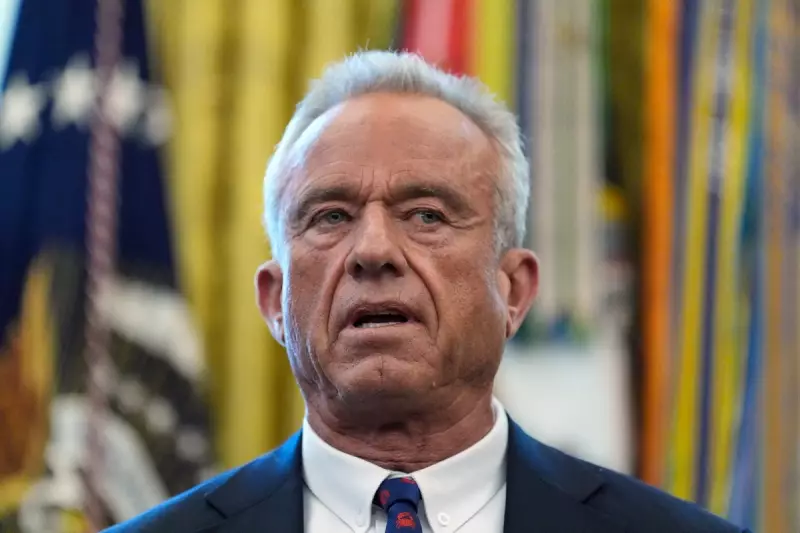
The episode drew fierce criticism from Democratic lawmakers. House Appropriations Committee Ranking Member Rep. Rosa DeLauro condemned Health Secretary Robert F. Kennedy Jr.'s "dangerous and haphazard" decision-making. Democratic Sen. Tammy Baldwin of Wisconsin stated the move "caused chaos and real harm to Americans."
Despite the restoration, deep anxiety persists. Sara Howe, CEO of Addiction Professionals of North Carolina, questioned, "is it OK to breathe?" She highlighted how such actions "put everybody on really unsteady, shaky ground." An administration official confirmed the grants were restored but did not provide a reason, and the Department of Health and Human Services declined to comment on the confusion caused.
An Unforgivable Infliction of Chaos
Advocates warned that the political manoeuvring endangered lifesaving services. Ryan Hampton, founder of Mobilize Recovery, said while restoration was the only acceptable outcome, "the chaos inflicted on frontline providers and families these past 24 hours is unforgivable." He issued a stark warning: "We cannot normalize a political environment where overdose prevention and recovery are treated as leverage."
The incident has left a scar on the sector, underscoring the vulnerability of essential public health services to abrupt political shifts and administrative errors, with providers and patients paying the price for the uncertainty.