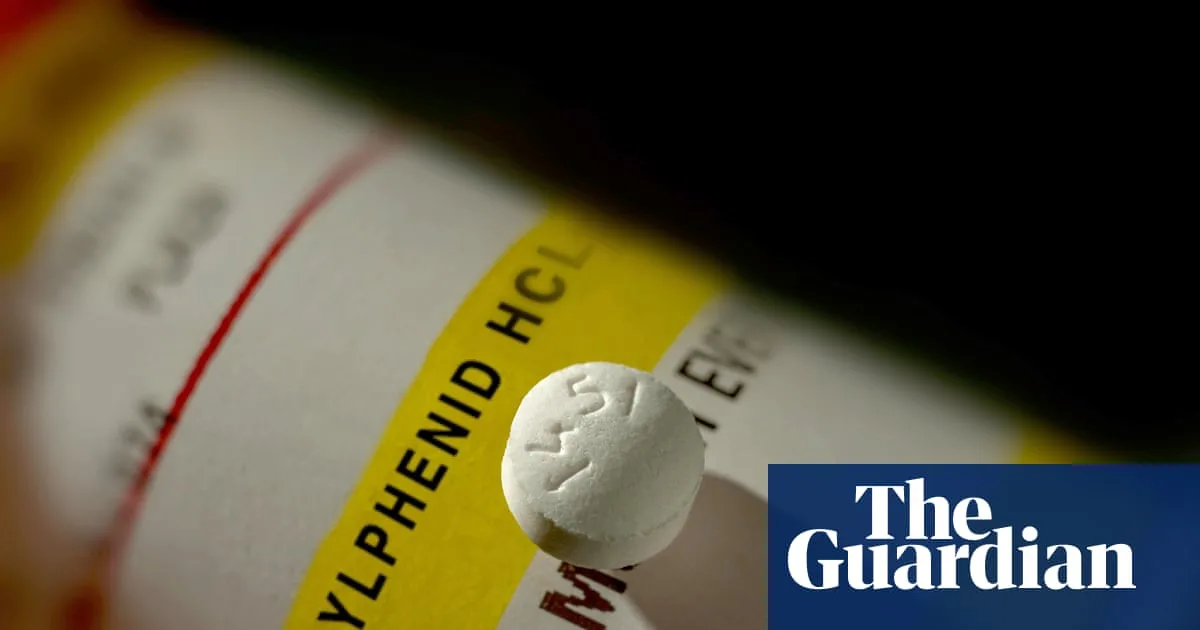
Attention deficit hyperactivity disorder (ADHD) medication is associated with significantly lower risks of suicidal behaviour, substance misuse, transport accidents and criminality, according to a large observational study published in the British Medical Journal.
Researchers analysed Swedish national registers from 2007 to 2020, covering nearly 150,000 individuals aged six to 64 with a new ADHD diagnosis. After adjusting for factors such as age, sex, education and psychiatric history, those who took medication showed a 17% reduction in suicidal behaviour, 15% in substance misuse, 12% in transport accidents and 13% in criminality.
The study, led by Prof Samuele Cortese of the University of Southampton and Dr Zheng Chang of the Karolinska Institute, used a technique called target trial emulation to mimic a randomised trial. While not definitive, the findings add to evidence that ADHD medication provides benefits beyond core symptom relief.

“When clinicians discuss medication with families, oftentimes there is not a focus on the risks if you don’t treat,” said Cortese. “If left untreated, there will be some risk. Now we have evidence that medication can reduce this risk.”
The research also found no significant reduction in first-time accidental injuries, though recurrent events showed improvements across all five outcomes. The number of ADHD prescriptions in England has risen 18% annually since the pandemic, fuelling debate about overdiagnosis.