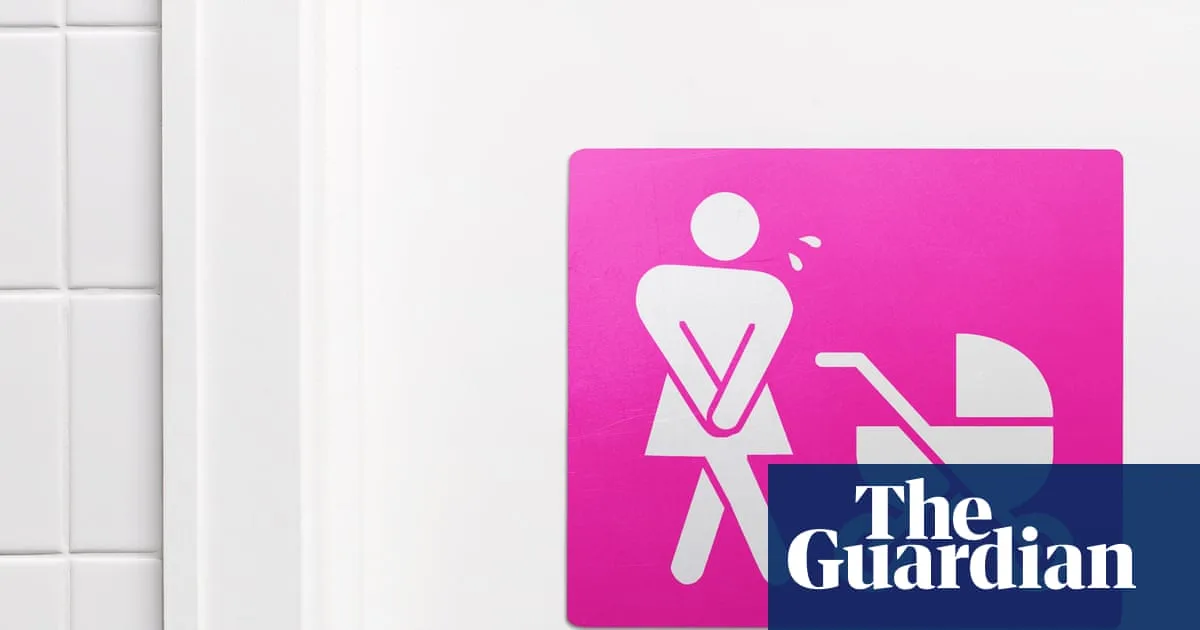
For years, the spectre of stress urinary incontinence (SUI) dictated my life. A cough during a walk, a sneeze, or a lap around the track meant an urgent need for fresh underwear. Like millions of women, I believed this was an inevitable price for motherhood and ageing – a personal failing for not doing enough Kegel exercises. I was wrong.
The Silent Suffering of Millions
My story is far from unique. Approximately 45% to 50% of women experience SUI at least once a week. Yet, research suggests a staggering silence surrounds the issue. For every case reported to a GP, an estimated 20 go unreported. We suffer in isolation, armed with tissues and dark-coloured leggings, believing the narrative that it's our fault.
My breaking point came in February 2024. After a long run, I attended a church service, only to be hit with the horrifying realisation that a pervasive odour of urine was coming from me. Later that evening, a simple sneeze soaked my pyjamas. Enough was enough. The next morning, I called the University of California, San Francisco’s Women’s Centre for Bladder and Pelvic Health.
Discovering the Options Beyond Kegels
In a consultation with Dr Michelle Van Kuiken, I learned for the first time that SUI is not a normal part of ageing and can be remedied. She outlined four main options: enhanced pelvic floor muscle training (more than just Kegels), a tampon-like device called Poise Impressa, a urethral bulking agent (often called 'bladder fillers'), and the gold-standard 'sling' surgery.
Having failed to master a consistent Kegel routine for seven years, I ruled out the first. The device seemed impractical for sudden sneezes. The sling surgery, while highly effective and long-lasting, required general anaesthesia and significant downtime from exercise and sex – two things crucial to my wellbeing.
That left the bulking agent, a minimally invasive procedure. Dr Van Kuiken explained that my urethra was like a deflated pool float; targeted injections could plump it up, reducing leakage. With insurance approval secured on the spot, I opted to try it that same day.
A Quick Procedure, A Life Transformed
The in-office procedure involved numbing injections, followed by the bulking agent itself. The discomfort was brief, comparable to an intense facial treatment. I walked home comfortably. The very next day, I went for a run with my brother. Not a drop.
A few weeks later, a slight leak during a sprint led to a 'top-up' injection of Bulkamid, a common step for optimal results. The effect was profound and immediate. I hadn't realised how much I'd modified my gait and held my body to minimise accidents until I suddenly didn't have to. My running times improved, matching my high school personal bests. Over a year later, I've completed seven trail half-marathon without a single leakage incident.
The most startling revelation came after the procedure. During my physical exam, Dr Van Kuiken noted, "Your pelvic floor is actually really strong. No amount of Kegels was going to fix this for you." My problem was anatomical, not a weakness of will.
Why the Knowledge Gap Persists
My journey exposed a catastrophic failure in women's health communication. Less than 15% of women bothered by SUI receive advanced treatments like injections or surgery. Every person I told was unaware such options existed.
This isn't due to novelty. Urethral bulking agents have been used since the 1930s, with modern versions like Bulkamid (FDA-approved in 2020) offering results that can last eight years or more. The sling surgery was revolutionised in 1996 with synthetic mesh, eliminating major incisions.
Yet, the default advice remains Kegels and lifestyle changes, which can inadvertently shame women, implying their suffering is due to laziness or poor choices. This stands in stark contrast to how men's quality-of-life issues, like erectile dysfunction, are met with immediate medical solutions. Disparities in research funding and female inclusion in clinical trials perpetuate this gap.
Shame and a lack of proactive discussion from healthcare providers create a perfect storm of ignorance. Women are left to believe that leaking is their destiny. It is not. A quick, safe, and effective procedure gave me my freedom back, and it's time every woman knew this option is on the table.




