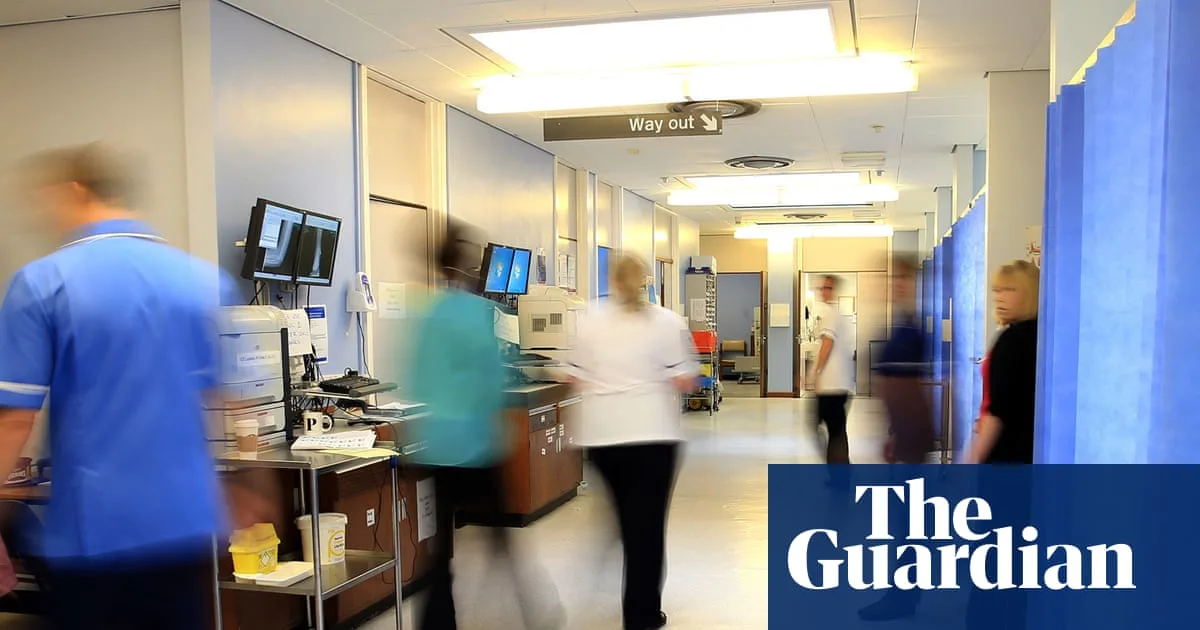
Leading UK medical bodies have issued an urgent call for all pregnant women to receive their flu vaccine immediately, as the NHS grapples with sustained record levels of flu-related hospital admissions.
NHS Under Pressure as Flu Admissions Break Records
The stark warning comes as official NHS data reveals an average of 3,140 flu patients were occupying hospital beds each day, despite a slight slowdown in the rate of growth. This figure surpasses admissions from the same period in the previous two years, highlighting the severe and ongoing strain on health services.
Pregnant women face a significantly higher risk of severe complications from the flu virus compared to the general population. Data confirms they are more likely to experience serious adverse outcomes, while their newborn babies also have an increased risk of requiring hospital treatment.
United Front from Medical Royal Colleges
In response, the Royal College of Obstetricians and Gynaecologists (RCOG), the Royal College of Midwives (RCM), and the Royal College of Paediatrics and Child Health (RCPCH) – representing over 90,000 health professionals – have united to stress the critical importance of maternity health protection through vaccination.
They advise women to consult their maternity team or GP without delay, emphasising that the vaccine offers vital protection even later in the flu season.
Vaccine is Safe, Effective and Protects Baby
Dr Alison Wright, President of the RCOG, underscored the vaccine's safety and dual benefit. "Having the flu vaccine during pregnancy is the most effective way to protect women and their babies from getting seriously unwell with flu," she stated. "This vaccine is safe, and boosts maternal antibodies against flu, which are passed on to the baby before birth for maximum protection. It is not too late to get vaccinated."
Gill Walton, Chief Executive of the Royal College of Midwives, acknowledged the volume of information expectant mothers receive but highlighted this as a clear priority. "One of the simplest and most effective steps a woman can take to protect both herself and her baby is to have the flu vaccine if she hasn’t already," she explained. She confirmed the vaccine's safety at all stages of pregnancy and its protective benefits for babies in their vulnerable first months.
Professor Steve Turner, President of the RCPCH, warned against complacency, especially regarding children's health. "Many people are mistaken in believing that flu is simply a bad cold. The flu virus can cause very serious infections with lifelong implications for children, and especially infants," he said. He stressed that these serious infections and hospital admissions are largely preventable through vaccination.
Vaccine Readily Available in Pharmacies
Oliver Picard, Chair of the National Pharmacy Association, confirmed that stocks of the vaccine remain widely accessible. "Most independent pharmacies are telling us they still have good stock availability and are able to vaccinate patients promptly," he said. He joined the Royal Colleges in urging all at-risk groups to get vaccinated, encouraging a quick and almost painless jab at a local pharmacy or GP practice.
The collective message from health leaders is unequivocal: with NHS hospital admissions at a record high for this time of year, vaccination remains the strongest defence for pregnant women and their unborn children against the serious risks posed by influenza.




