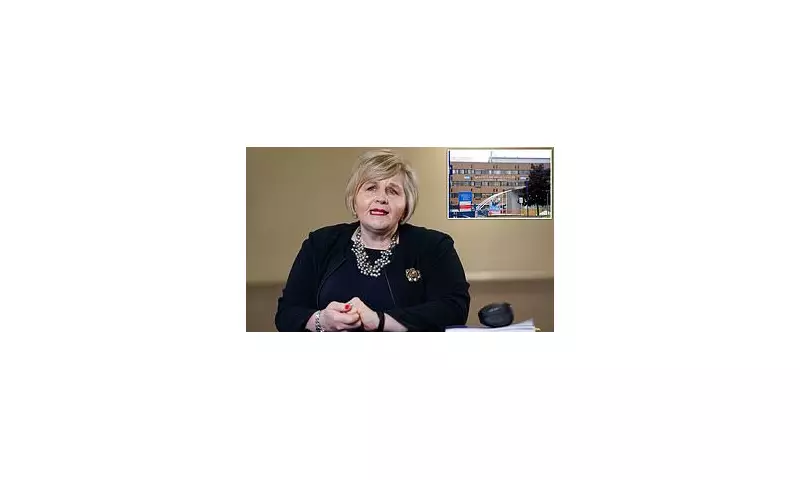
The midwife chairing the most extensive investigation into maternity service failures in NHS history is charging taxpayers as much as £26,000 a month for her work. Donna Ockenden has been leading the independent review into Nottingham University Hospitals NHS Trust since 2022, a role for which she is paid £850 for every 7.5-hour day she works.
Spiralling Costs of the Inquiry
These personal fees, charged to NHS England (NHSE) through her limited company, Donna Ockenden Ltd, are just one part of a much larger financial picture. When questioned about the substantial invoices, Ms Ockenden stated she was 'working long hours'. The £850 daily rate itself represents a 13% increase from a previous £750 fee, implemented under a new supply agreement in January 2024.
Her personal charges do not cover the wider expenses of the inquiry. When combined with daily expenses, wages for the clinical and administrative team, HR services, transcription, insurance, and office space, the total monthly invoices from her company can exceed £300,000. Ms Ockenden has explained that a profit element on some services is necessary to cover miscellaneous costs not passed directly to NHSE.

Contractual Changes and Financial Arrangements
Originally paid directly by NHSE, the arrangement changed at the start of 2024 when responsibility for producing the review shifted to Donna Ockenden Ltd. From March to July 2024, she submitted monthly invoices consistently over £20,000, peaking at £26,069.50 in July. Operating through a UK limited company can offer tax advantages through a mix of salary and dividends.
Defending the costs, Ms Ockenden argued the contractual setup provides 'value to the taxpayer' and involves her running every aspect of the review, including coordinating a large team. She justified her remuneration by stating she would be spending a large amount of time on delivering the final report. Notably, her daily fee surpasses the UK's current median weekly wage of £766.60.
Broader Context and Political Scrutiny
These figures highlight the escalating costs of such deep-dive reviews into NHS trust services. The inquiry in Nottingham follows Ms Ockenden's praised work on previous maternity reviews in Shrewsbury and Telford. She has also expressed that it would be an 'honour' to conduct a similar investigation for Leeds Teaching Hospitals NHS Trust, a move supported by affected families.
However, the significant time commitment required for these roles has become a factor. Health Secretary Wes Streeting recently revealed that, while he would 'clone' Ms Ockenden if he could, she would not chair a separate inquiry into University Hospitals Sussex NHS Trust because she is already occupied leading other investigations. This underscores a need for a wider pool of experienced midwives to lead such vital work.
The focus on maternity safety remains acute. In early December, a separate interim report by Baroness Amos concluded that England's maternity services are 'still struggling to provide safe, reliable maternity and neonatal care everywhere in the country'.