For countless mothers, welcoming a child is a profound joy. Yet for Bethanie Powell, the experience plunged her into such deep despair that she no longer wished to live, culminating in a tragic attempt to end her own life.
A Descent into Darkness and a Lifeline Found
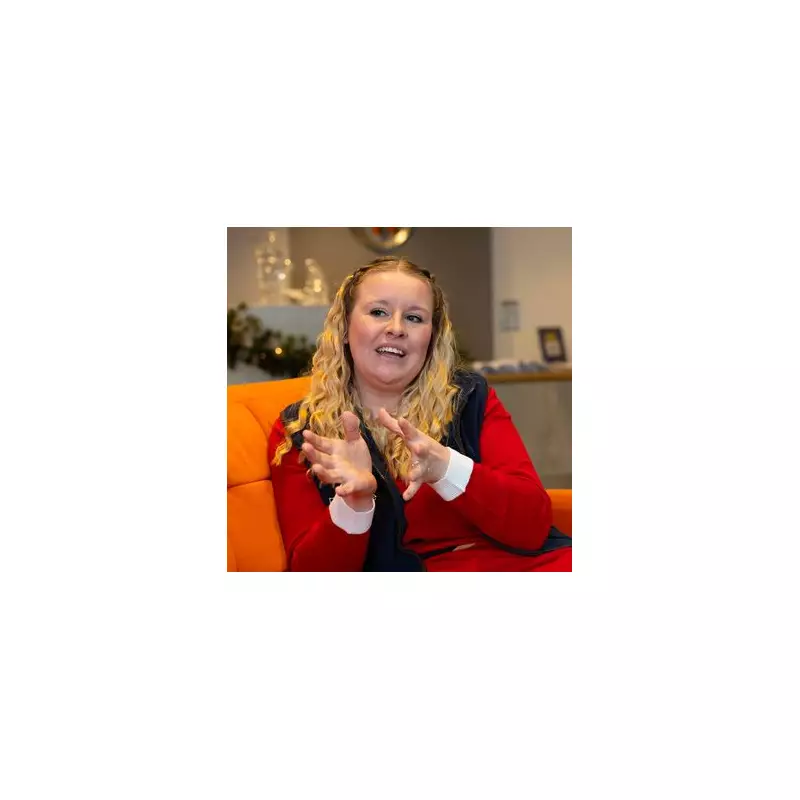
The 31-year-old mother, who had her first two children in her early twenties, developed postnatal depression. Her recovery began when she found crucial support through Mums Matter, a perinatal mental health service operated by the charity Mind. Bethanie credits this intervention with saving her life. In a remarkable turnaround, she now works as a mental health practitioner for the same service, offering one-to-one support to other struggling mothers.
"I did get to the point where I wanted to die. I didn't want to live anymore," recalls Bethanie, who lives in a Powys village near the English border. Speaking these words aloud still brings emotion, as she explains it's a shock to voice them now. "I look at my life now and I'm so fortunate. I found some people who have just supported me all the way through."

She reflects on joining the course after the birth of her second child, realising in hindsight she had likely experienced undiagnosed postnatal depression after her first. "I felt like I was young, I didn't really have social connections then either. So I was very much just winging it," she admits.
The Scale of the Issue and a Personal Mission
The Royal College of Psychiatrists estimates that up to 85,000 mothers in England may have suffered from postnatal depression last year alone. Bethanie's own crisis led to hospitalisation in early 2018 after her suicide attempt. Later that year, she enrolled on the Mums Matter course, eventually becoming a volunteer and then a part-time practitioner by July 2023.
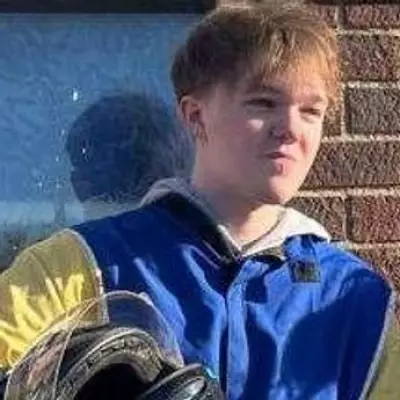
One mother she has supported is 21-year-old Emma Martin. "Obviously Bethanie's only one call, or a message, away," Emma says. "So if I'm feeling down I message her and she works through what's going on. I can talk about my feelings now... I couldn't do it at all before."
Tracy Lewis, who leads the Mums Matter perinatal team at Mind, notes a shift in the challenges mothers present. "At the very beginning, it was very much about anxiety, depression, mum guilt. There is still mum guilt, still anxiety. But I'm seeing more and more mums coming through with ADHD and autism, and just sort of struggling to hit their own basic needs before they can hit the children's basic needs."
Transformation and a Message of Hope
The service, designed for mothers with mild to moderate mental health issues, runs courses split across several weeks with a crèche provided. Sessions cover expectations, basic needs, negative thinking patterns, and self-esteem. Across England and Wales, ten local Minds run the Mums Matter service, with courses lasting up to nine weeks.
For Bethanie, becoming a volunteer marked her "biggest transformation." The service is now integral to her family life; her youngest son, Winston, even wears a Mums Matter gilet. "I met so many other people who were in the situation I was in and just needed someone to understand, and somebody to listen," she says.
Grateful for her recovery, Bethanie emphasises it has changed her entire family dynamic. "I'm a different mum now and I can see it in the children... This time I just feel more confident and I feel like I know what I'm doing."
Her passion is clear, and her message to other mothers is unequivocal: "Always reach out. Never suffer alone. Because you're not alone."
The Samaritans operate a free 24/7 helpline on 116 123. To find your local Mind visit mind.org.uk/local-minds