
Doctors in the UK have confirmed the birth of eight healthy babies conceived through a groundbreaking IVF technique that uses DNA from three people. The procedure, known as mitochondrial donation treatment (MDT), is designed to prevent children from inheriting incurable mitochondrial diseases caused by mutations in the mother's mitochondria.
The four boys and four girls, including one set of identical twins, were born to seven women who were at high risk of passing on life-threatening mitochondrial disorders. According to researchers from Newcastle University, who spent over two decades developing the technique, all children are healthy and show no signs of the diseases they were at risk of inheriting. One further pregnancy is ongoing.
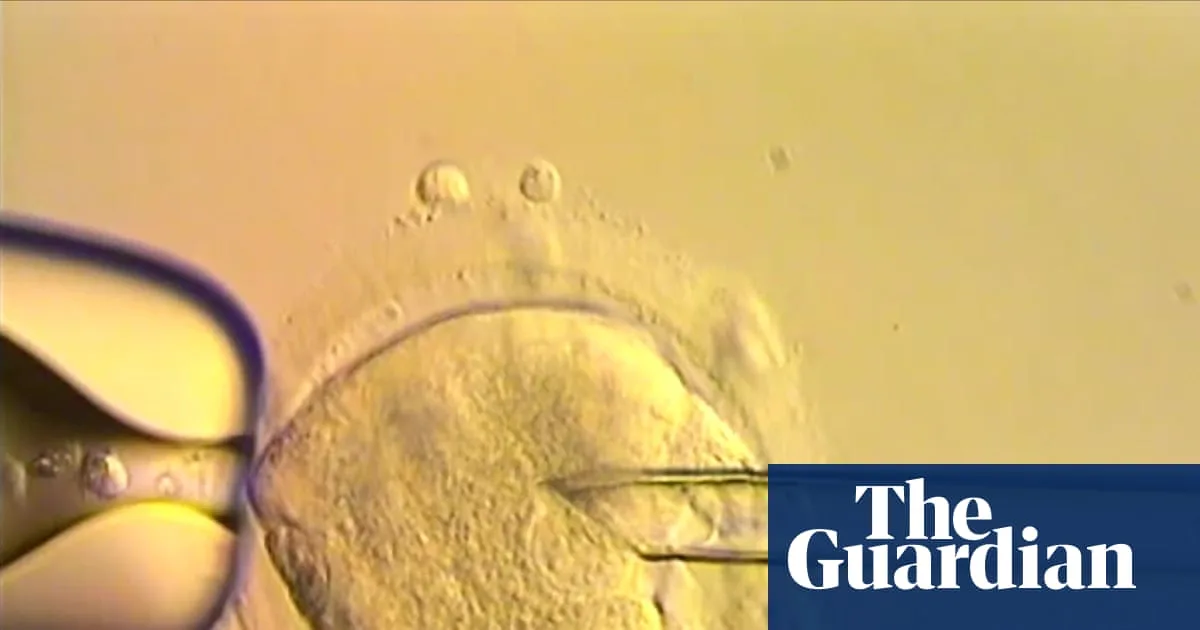
The procedure involves fertilising the mother's egg with the father's sperm, then transferring the nuclear genetic material into a healthy donor egg from which the nucleus has been removed. This creates an embryo with the parents' chromosomes but healthy donor mitochondria. The UK legalised MDT in 2015, with the first licence granted in 2017 to Newcastle University's fertility clinic.
Prof Doug Turnbull, part of the team that developed the technique, described the healthy births as reassuring. Prof Mary Herbert added that the outcome was “rewarding for all of us”. The findings are published in the New England Journal of Medicine, noting that while some babies had low levels of mutant mitochondria carried over from the mother, these are considered too low to cause disease.
One mother of a baby girl born through the procedure said: “As parents, all we ever wanted was to give our child a healthy start in life. After years of uncertainty this treatment gave us hope – and then it gave us our baby… we’re overwhelmed with gratitude.” The children continue to meet developmental milestones, according to Dr Bobby McFarland of the NHS Highly Specialised Service for Rare Mitochondrial Disorders.




