
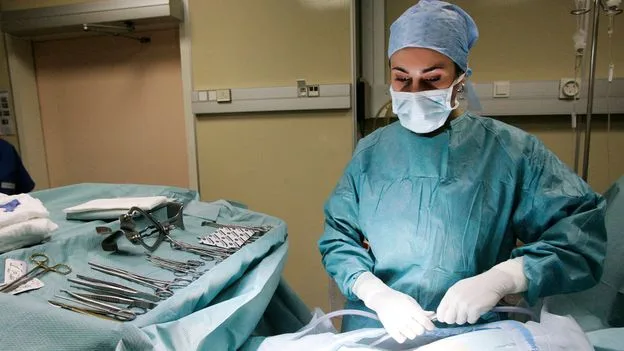
In Nigeria, where 58,000 women die in childbirth annually, many women refuse or hide Caesarean sections due to stigma, even when the surgery could save their lives. Alice Ogbara, who shared her C-section story at a support group in Lagos, said she kept the procedure secret from family members. “If you tell us Nigerians that you are going to go through Caesarean section, they will tell you: ‘God forbid’,” she said.
Nigeria’s C-section rate is just 2%, far below the global average of 21% and the World Health Organization’s recommended minimum of 5% to prevent maternal deaths. In West Africa, the average is 4.1%. The low rate is driven by fears about safety, religious beliefs, and social pressures that equate vaginal birth with womanhood. Many Christian women hear that giving birth like a “Hebrew woman” is a sign of strength, a notion rooted in a biblical passage.
The non-profit Mamalette runs support groups in Lagos to combat stigma and provide health education. Its grassroots approach has shown early success in improving outcomes, but the organisation faces significant challenges. In rural areas, where 58% of births occur with unskilled attendants, access to C-sections is especially limited. In cities, cost and stigma are the main barriers.
Carine Ronsmans, an epidemiologist at the London School of Hygiene and Tropical Medicine, called the disparity in C-section use “the indicator in health with the greatest possible disparity of overuse and underuse.” While high rates can pose risks, she stressed that “so many women still die from not having access. We really can't afford to forget these women.”




