Prosecutors Investigate Seven Deaths at Glasgow's Queen Elizabeth Hospital
Seven Deaths Investigated at Glasgow's Queen Elizabeth Hospital

Prosecutors Launch Investigation into Seven Patient Deaths at Glasgow Super-Hospital

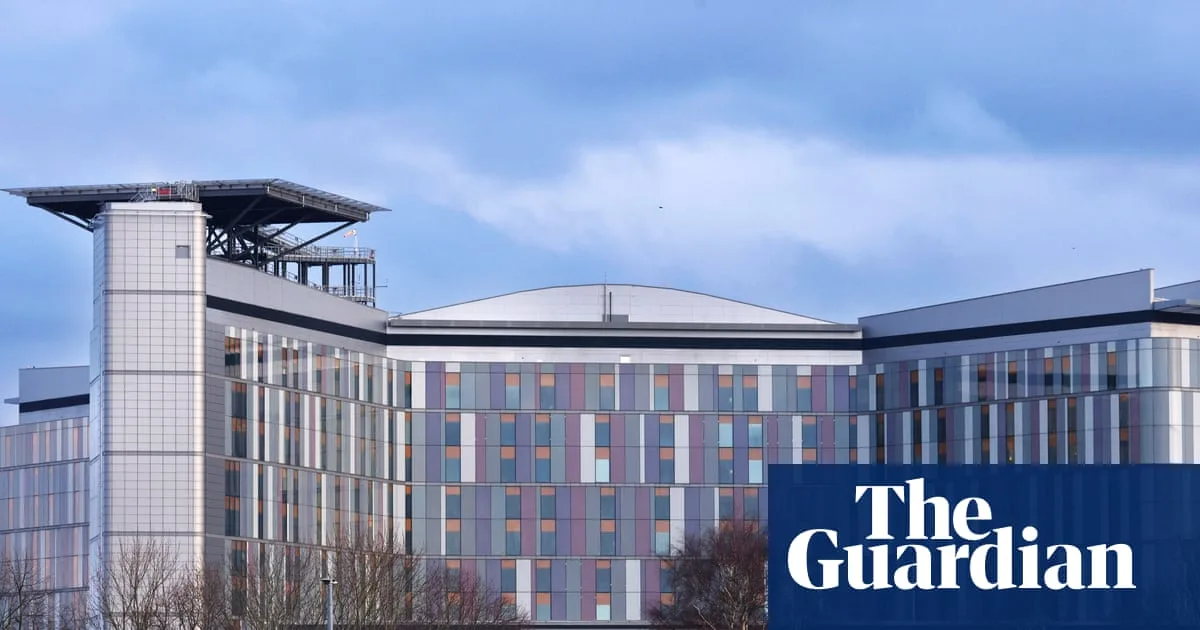
The Crown Office and Procurator Fiscal Service has confirmed it is now investigating the deaths of seven patients at Glasgow's flagship Queen Elizabeth University Hospital complex. This development follows Scottish Labour's release of what it describes as damning evidence suggesting political pressure forced the hospital to open prematurely in April 2015, just before the general election.

Expanding Scope of Investigations

Prosecutors announced on Saturday that the cases of 23-year-old Molly Cuddihy and former Scottish government civil servant Andrew Slorance are among those being examined. The COPFS has pledged to keep all affected families informed of progress throughout the investigation process.

Molly Cuddihy, who was diagnosed with a rare bone cancer at age 15, received treatment at both the Royal Hospital for Children and the adjacent Queen Elizabeth University Hospital. She passed away last August, with her organs irreparably weakened by the powerful drugs required to combat infections alongside her cancer treatment.

Contaminated Systems and Infection Evidence

The ongoing public inquiry into the hospital, now in its final stages, has heard devastating new evidence from the health board. Officials admitted that serious infections in 84 child cancer patients, including two fatalities, were probably caused by the hospital's contaminated water system.

The COPFS had previously confirmed investigations into four deaths: 10-year-old Milly Main who died in 2017, two other children, and 73-year-old Gail Armstrong. Armstrong was being treated for an aggressive form of non-Hodgkin lymphoma in 2019 when she contracted a fungal infection commonly associated with pigeon droppings.

Additionally, prosecutors revealed they have received a report concerning the 2021 death of 65-year-old Anthony Dynes, who was also receiving treatment for non-Hodgkin lymphoma at the QEUH.

Political Pressure Allegations

During First Minister's Questions last Thursday, Scottish Labour leader Anas Sarwar presented what he called "damning evidence" from minutes of meetings between Glasgow health board officials and the Scottish government. Sarwar claimed these documents show "political pressure" was applied to open the new hospital before it was properly ready.

"That decision to open the hospital early has resulted in a decade of lies, deceit and cover-up," Sarwar told MSPs. "Bullying and gaslighting of staff, families being lied to and denied the truth, and infections that led to the deaths of children and possibly adults too – all because politics was put before patient safety."

Both current First Minister John Swinney and former First Minister Nicola Sturgeon have previously denied these allegations of political interference in the hospital's opening timeline.

Health Board Response and Ongoing Concerns

NHS Greater Glasgow and Clyde has offered what it describes as a "sincere and unreserved apology" to those affected by the hospital's infection control failures. The health board insists it is now "a very different organisation" than the one involved in the design and construction of the hospital complex a decade ago.

However, three senior microbiologists who first raised alarms about infection control problems told the inquiry in its final days that they still maintain "significant concerns" about whether necessary changes have been properly implemented by senior management.

These experts question whether the systemic issues that contributed to the contamination problems have been adequately addressed, despite the health board's assurances about organisational transformation.




