A seizure can be a major medical emergency, causing loss of consciousness, blank staring, or dramatic convulsions. Experienced by about one in 10 Americans at least once in their lifetime, doctors often attribute the episode to a stroke, brain infection, or even high fever. However, Danish researchers now warn that seizures could signal something far more sinister: cancer, particularly brain cancer.
Study Findings on Seizures and Cancer Risk
In a study involving 49,900 Danish adults who experienced a first-time seizure, researchers identified 5,600 cancer diagnoses. Among these, 966 were brain cancer cases, making it the most common cancer detected. Analysis revealed that patients were four times more likely to be diagnosed with any cancer within a year of their first seizure compared to the general population. For brain cancer, the risk was 76 times higher over the same period.
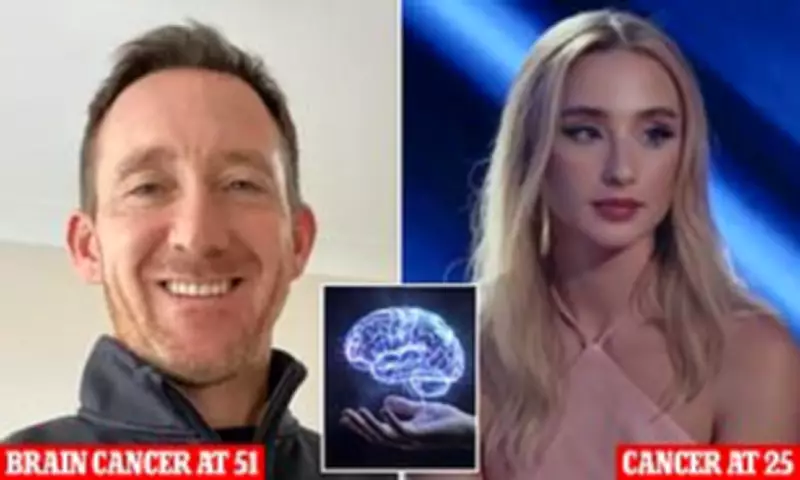
Sports teacher Glenn Colmer, 51, from the UK, was diagnosed with a brain tumor after a seizure at home and died 10 days later. Beforehand, he had suffered aches and pains for a year, which he attributed to aging.

Seizures as a Warning Sign
While the vast majority of seizures in the study did not lead to a cancer diagnosis, researchers emphasized that a seizure should be treated as a potential warning sign. In brain cancer, tumors can disrupt vital circuits and trigger seizures. For other cancers like lung and colon, the disease may spread to the brain, causing a tumor that leads to seizures.
Published in JAMA Neurology, the study included patients averaging 51.5 years old, with first seizures recorded between 1996 and 2022. After brain cancer, the most common cancers detected were lung (843 cases), prostate (437), and colon (412). Other cancers included breast, bladder, melanoma, non-Hodgkin lymphoma, pancreatic, and kidney cancer.
Long-Term Risk and Implications
The scientists from Aarhus University wrote: 'First-time seizures were associated with a clearly elevated short-term relative risk and a slightly elevated long-term risk of neurological and non-neurological cancers.' They added that these findings indicate first-time seizures may serve as an early clinical sign of both neurological and non-neurological cancers.
From one to five years after the first seizure, participants had an 18% higher risk of any cancer diagnosis compared to the general population. From five to 20 years, the risk increased to 34%.
Understanding Seizures
A seizure results from abnormal electrical activity in the brain, causing changes in awareness or muscle control. There are two main types: generalized seizures, affecting both sides of the brain and causing body shaking or staring, and focal seizures, affecting one side and causing symptoms on one side of the body.
Warning signs include loss of consciousness, uncontrollable movements, staring, sudden emotional changes, drooling, abnormal eye movements, or loss of bladder control. Seizures can occur at any age but are more common in very young children and adults over 60. People with epilepsy, a condition affecting nearly three million people, are particularly at risk.
Medical Response and Treatment
A first-time seizure is treated as a medical emergency. Subsequent seizures may be emergencies if they cause harm or last longer than five minutes. Treatment involves addressing the underlying cause, prescribing antiseizure medications, or implanting a device in the brain to manage electrical activity.