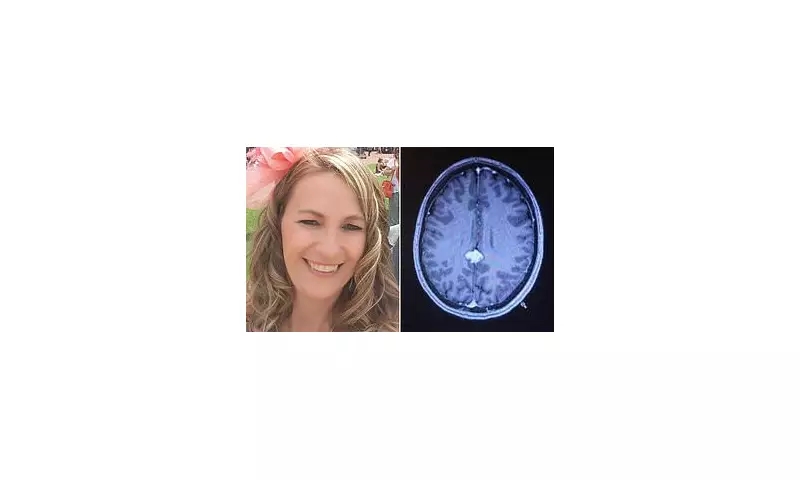
When Sarah Thompson began experiencing dizziness, fatigue, and memory lapses, doctors quickly attributed her symptoms to menopause. For months, the 48-year-old mother of two accepted this diagnosis, despite her growing concerns that something more serious might be wrong.
"I kept being told it was just hormonal changes," Sarah recalls. "But my symptoms kept getting worse - I was forgetting simple words, struggling with balance, and having terrible headaches."
A Devastating Discovery
After pushing for further tests, Sarah received shocking news: her symptoms weren't caused by menopause at all, but by an inoperable brain tumour. The diagnosis came as both a relief and a nightmare - finally an explanation, but one that carried life-altering implications.

"Part of me was relieved to know I wasn't going mad," Sarah admits. "But then the reality hit - this wasn't something that would pass with time or hormone therapy."
The Dangers of Medical Assumptions
Sarah's case highlights a worrying trend in women's healthcare, where complex symptoms are often dismissed as hormonal or psychological. Experts warn that age and gender biases can lead to dangerous misdiagnoses, particularly for women in their 40s and 50s.
Dr. Emma Richardson, a neurologist, explains: "While menopause can cause various symptoms, we mustn't automatically attribute everything to it. Persistent or worsening neurological symptoms always warrant proper investigation."
Living With an Inoperable Condition
While Sarah's tumour can't be surgically removed, she's undergoing treatment to manage symptoms and slow its growth. Her story serves as a powerful reminder to:
- Trust your instincts about your body
- Push for second opinions when symptoms persist
- Question assumptions based on age or gender
"I want other women to learn from my experience," Sarah says. "Don't let anyone dismiss your concerns - keep fighting until you get answers."