Patients with 'Invisible' Cancer Facing Years of Diagnostic Delays
Medical experts are raising urgent alarms about patients with neuroendocrine cancer being repeatedly turned away by doctors and waiting years for accurate diagnoses. This group of cancers, which develop in nerve and gland cells that produce hormones, affects more than 6,000 people annually in England yet remains poorly understood within the healthcare system.
Alarming Statistics Reveal Growing Crisis
Analysis by Neuroendocrine Cancer UK (NCUK) reveals shocking statistics about this under-recognised disease. Between 1995 and 2018, rates of neuroendocrine cancer increased by a staggering 371 percent, compared to just 116 percent for other cancers during the same period. This dramatic rise highlights a growing public health concern that requires immediate attention.
The charity reports that diagnosis takes an average of four-and-a-half years, with nearly half of all patients not receiving their correct diagnosis at the first referral. Even more concerning, 16 percent of patients must return to healthcare providers more than ten times before finally obtaining answers about their condition. More than half of neuroendocrine cancer cases are diagnosed at an advanced stage, significantly limiting treatment options and reducing survival prospects.
The Challenge of an 'Invisible' Disease
Neuroendocrine cancer presents unique diagnostic challenges because it doesn't conform to common cancer narratives. The disease manifests in two main forms: neuroendocrine tumours (NETs) and the more aggressive neuroendocrine carcinomas (NECs). These cancers can develop in various body locations including the stomach, bowel, pancreas, and lungs, producing symptoms that often mimic other common conditions.
Patients typically experience unexplained weight loss, persistent tiredness, abdominal pain, diarrhoea, bloating, wind, heartburn, asthma-like symptoms, flushing rashes, and chronic coughs. These non-specific symptoms frequently lead to misdiagnoses as irritable bowel syndrome, asthma, or menopausal symptoms, creating what experts describe as a "diagnostic odyssey" for sufferers.
Patient Experiences Highlight Systemic Failures
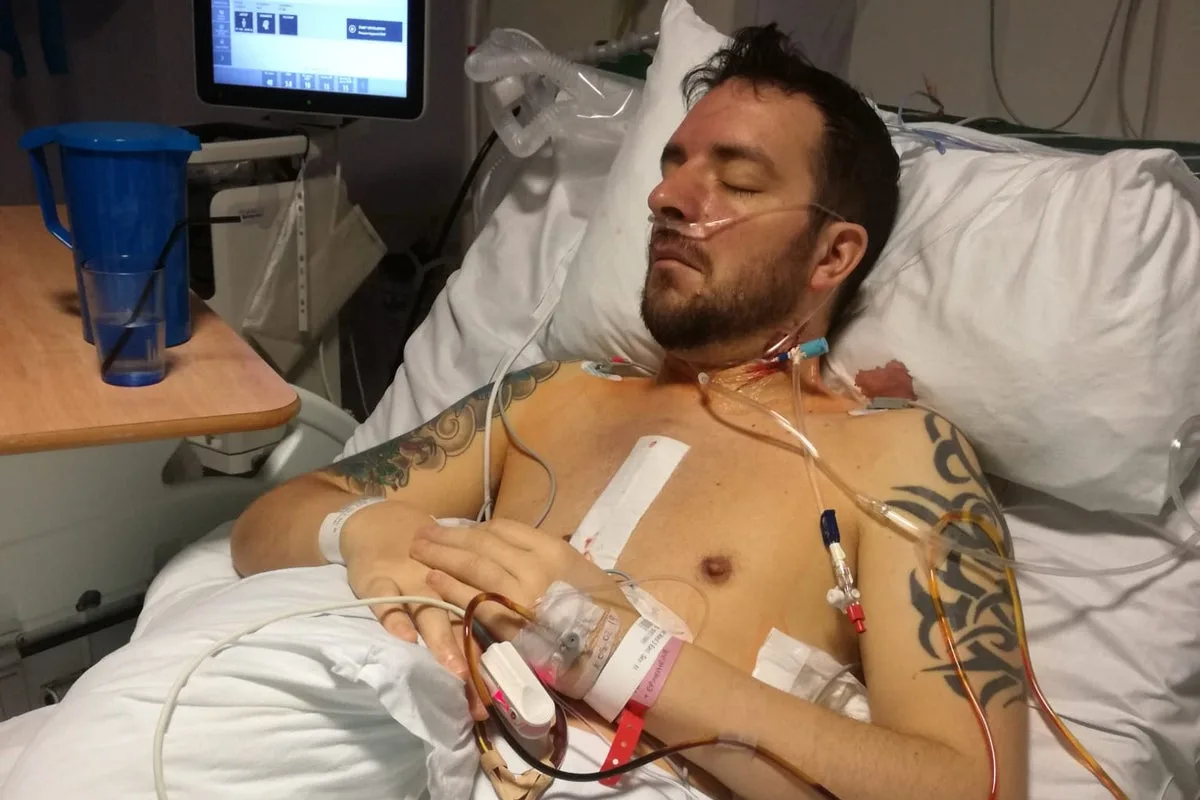
Craig Spiers, a 46-year-old father-of-two from Glasgow, represents the typical patient journey. It took five years of repeated GP appointments before he received his neuroendocrine cancer diagnosis in 2013. His cancer originated in the small bowel before spreading to his liver and causing heart complications.
"These visits didn't get me anywhere and I was even told there was nothing wrong with me and that I had to go home and calm down as it was a result of stress from work," Mr Spiers revealed. "My cancer was invisible to the doctor."
Even healthcare professionals themselves fall victim to diagnostic delays. Gordon Brown, a 62-year-old GP from Ashby De-La-Zouch, "missed" his own cancer despite experiencing multiple symptoms. "I had been experiencing many seemingly benign symptoms but I never thought they were a result of neuroendocrine cancer," he admitted. "I did go to the hospital a couple of times complaining about the abdominal pain and diarrhoea but no one did a scan."
Expert Warnings About Consequences of Delay
Lisa Walker, chief executive of NCUK, emphasised the urgent need for systemic change: "A key part of the challenge of neuroendocrine cancer is that it doesn't align with the common cancer narrative many expect. Delays to diagnosis and inconsistent care cause serious and lasting harm. Precious time is lost, allowing the cancer to progress before people receive the treatment they need."
Professor Raj Srirajaskanthan, a consultant gastroenterologist at King's College Hospital, described the common patient experience: "In my years as a NET clinician, I have sat across from thousands of patients, and while every story is unique, they often share a hauntingly similar prologue. A large number have undergone a long and circuitous journey to their diagnosis."
Professor Martyn Caplin, a gastroenterology and neuroendocrine cancer specialist at the Royal Free Hospital, explained the clinical implications: "Smaller volumes of neuroendocrine cancer are generally easier to manage than a more advanced disease. Delays increase both the physical and emotional toll on patients and limit clinical options."
Call for Improved Recognition and Response
The medical community is urging for greater awareness and improved diagnostic pathways for neuroendocrine cancer. Professor Srirajaskanthan noted that managing NETs is "often a marathon, not a sprint," with many patients undergoing treatment for over a decade.
Walker concluded with a powerful statement about the human impact: "Patients and families describe these experiences as isolating and frightening, leaving them without support when they need it most. This is unacceptable and requires urgent attention."
As neuroendocrine cancer rates continue to rise dramatically, healthcare systems face increasing pressure to improve recognition of this complex disease and reduce the unacceptable diagnostic delays that currently characterise patient experiences across England.




