Groundbreaking Research into Broken Heart Syndrome Treatment
Scientists are uncovering crucial insights about a recently defined cardiac condition that closely resembles severe heart attacks but can strike perfectly healthy individuals. Known as broken heart syndrome or takotsubo cardiomyopathy, this disorder is typically triggered by intense physical or emotional distress, such as bereavement, serious illness, or major life events.
How Broken Heart Syndrome Differs from Heart Attacks
Unlike traditional heart attacks, which predominantly affect people with underlying health conditions, broken heart syndrome can develop in anyone regardless of their medical history. A team at New York University Langone Health is preparing to launch a pioneering clinical study investigating takotsubo syndrome, specifically examining the potential efficacy of deep breathing exercises as therapeutic intervention for patients with previous episodes.
The research aims to determine whether controlled breathing techniques can stimulate the parasympathetic nervous system and potentially prevent future attacks. Broken heart syndrome can occur at any age but shows a distinct demographic pattern, affecting women between 58 and 75 years old more frequently than men.

Symptoms and Prevalence of the Condition
The symptoms mirror those of a heart attack, including crushing chest pain, shortness of breath, rapid or irregular heartbeat, dizziness, fainting episodes, and excessive sweating. Although not classified as rare, the exact prevalence remains uncertain. Current research estimates that broken heart syndrome accounts for approximately one to two percent of patients presenting with heart attack-like symptoms.
Mortality rates are significantly lower than for heart attacks, which claim twelve to fifteen percent of patients. The critical distinction lies in the mechanism: while heart attacks involve blocked blood flow to the heart, broken heart syndrome represents a temporary weakening of the heart muscle, often precipitated by a sudden surge of stress hormones.
This fundamental difference means that although initial symptoms are equally alarming, the condition typically causes no permanent damage. The overwhelming majority of patients experience complete restoration of normal heart function within several weeks to two months.
Understanding the Physiological Mechanisms
The precise process through which intense stress causes sudden cardiac weakening remains incompletely understood, but researchers believe it begins with a massive release of hormones like adrenaline. One prominent theory suggests this chemical flood temporarily renders heart muscle cells toxic, essentially stunning them into dysfunction.
An alternative hypothesis proposes that adrenaline causes such forceful contraction of the heart's lower chamber that it effectively shuts down as a protective mechanism. Another related concept suggests the heart attempts to conserve energy by reducing pumping power in response to overwhelming stress.
Additional evidence indicates extreme stress can constrict the heart's smallest blood vessels, briefly limiting blood flow in a manner that mimics heart attack symptoms without actual blockages. While the exact biological pathway continues to be studied, all theories converge on an overwhelming physical or emotional event temporarily disrupting proper cardiac function.
Diagnostic Procedures and Patient Profiles
Diagnosing broken heart syndrome involves systematic elimination of other conditions. Since symptoms including chest pain, shortness of breath, and abnormal echocardiogram readings are identical to heart attacks, physicians initially assume the worst-case scenario.
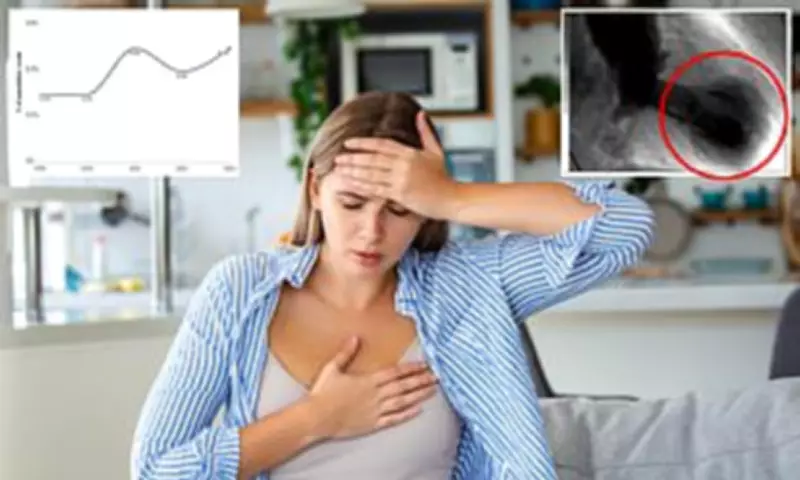
An echocardiogram uses sound waves to create live images of the heart, revealing whether the lower chamber displays the distinctive shape characteristic of broken heart syndrome. In affected patients, the heart's main pumping chamber balloons outward at the bottom while the neck remains narrow, resembling the Japanese octopus pot that gives takotsubo its medical name.

Blood tests check for elevated troponin protein levels, which indicate heart muscle damage. However, definitive exclusion of heart attack requires cardiac catheterization, where a thin tube is threaded through an artery to inject dye for detailed coronary artery imaging. Clear arteries confirm takotsubo cardiomyopathy rather than traditional heart attack.
Patients are typically active individuals with no prior cardiac history, often maintaining good exercise habits, healthy diets, normal cholesterol, and controlled blood pressure. Many have recently passed comprehensive medical examinations with excellent results, since broken heart syndrome stems not from arterial blockages or health neglect but from acute stress responses.
Triggers and Recovery Expectations
Primary triggers include financial stress, domestic violence, death of relatives or friends, serious illness or surgical procedures, intense fear, and receiving devastating news. Dr Harmony Reynolds, a cardiologist at NYU Langone Health, clarifies common misconceptions about the condition.
'One common misconception is that broken heart syndrome is always caused by severe emotional trauma. In reality, triggers can be subtle, cumulative or even positive. Joyful or exciting events can also place significant stress on the body,' Dr Reynolds explains. 'Stress responses are deeply ingrained biological processes — not personal failings — and no one should blame themselves for developing a physical condition triggered by stress.'
She emphasizes that broken heart syndrome can result from cumulative stress rather than single dramatic moments. Since affected individuals are generally healthy, recovery typically requires about two months for complete restoration. Heart attacks often demand longer recovery periods and cause permanent damage through extensive scarring.
Treatment Approaches and Prevention Strategies
Treatment protocols for broken heart syndrome are not standardized and vary according to symptom severity, blood pressure stability, and whether fluid accumulates in the lungs. Most patients receive standard heart failure medications including beta blockers, ACE inhibitors, and diuretics.
Although long-term data remains limited, beta blockers are frequently continued indefinitely to help prevent recurrence by mitigating adrenaline effects. Comprehensive management of emotional and physical stress constitutes a crucial component of both recovery and prevention efforts.