
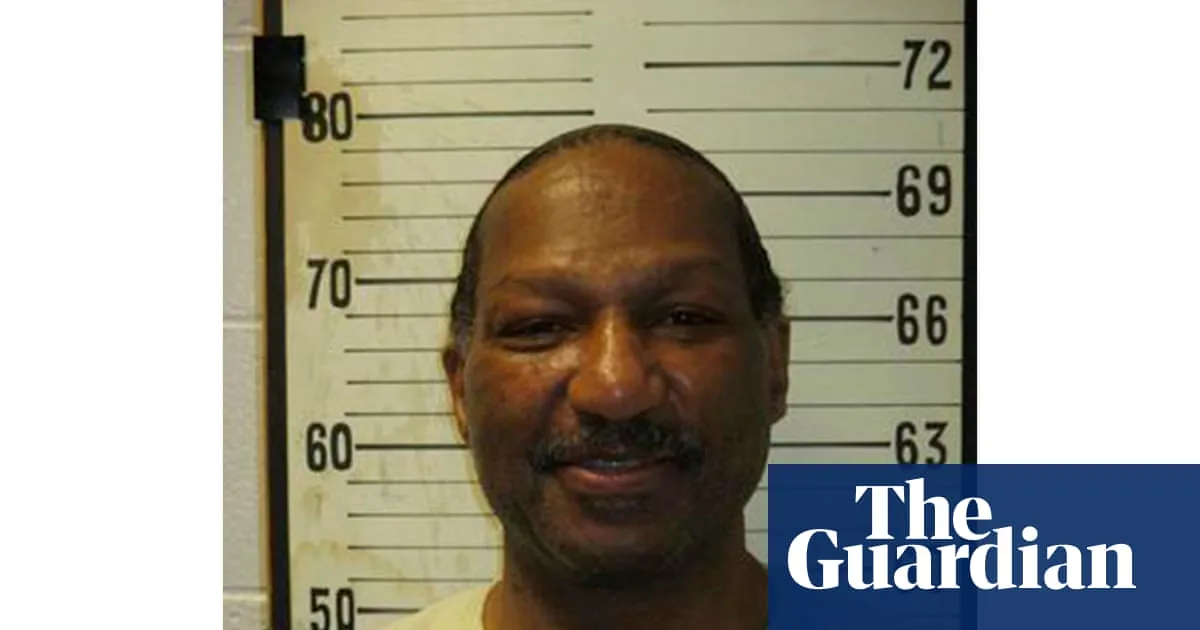
A lawyer for Byron Black, executed in Tennessee in August, has alleged that his client's heart showed sustained activity for nearly two minutes after he was pronounced dead. The claim, made in court on Friday, adds to scrutiny of the state's lethal injection protocols.
Black, 69, was executed by lethal injection on 5 August. Witnesses reported that after receiving the sedative pentobarbital, he began breathing heavily, groaned in pain, and said, 'It hurts so bad'. He was pronounced dead about ten minutes later. His attorney, Kelley Henry, described the execution as '100% botched'.
In a recent court hearing, Henry presented an electrocardiogram (EKG) showing cardiac activity for one minute and 50 seconds after the official time of death. She argued that under state protocols, additional pentobarbital should have been administered if Black was still alive. The EKG recording stopped at that point, so activity may have continued.
Henry expressed concern that the public and witnesses were not able to observe the full procedure, as the prison curtain was closed after death was declared. She said the EKG evidence suggests state officials 'don't know what they are doing with this drug'.
Black had been on death row for 35 years for the murders of his girlfriend and her two daughters. His lawyers had argued he had intellectual disabilities and severe health issues, including heart failure and dementia. An autopsy revealed he developed pulmonary edema during the execution, a condition described as 'incredibly painful' and akin to drowning.
The Tennessee attorney general's office and corrections department have not commented on the allegations. The case continues as part of ongoing litigation challenging the state's lethal injection methods.




