In a heartening display of environmental stewardship, a dedicated group of young naturalists has recently undertaken a comprehensive snowy animal census in their local area. This initiative, part of a broader effort to monitor and protect biodiversity, saw participants braving the winter conditions to document tracks, signs, and sightings of various wildlife species.
Engaging Youth in Conservation Efforts
The snowy census represents a significant step in engaging the younger generation in hands-on conservation activities. By venturing into the frosty landscapes, these young enthusiasts have not only contributed valuable data to local wildlife records but also fostered a deeper connection with the natural world. Their efforts highlight the importance of citizen science in tracking animal populations and understanding ecosystem health.
Documenting Wildlife in Winter Conditions
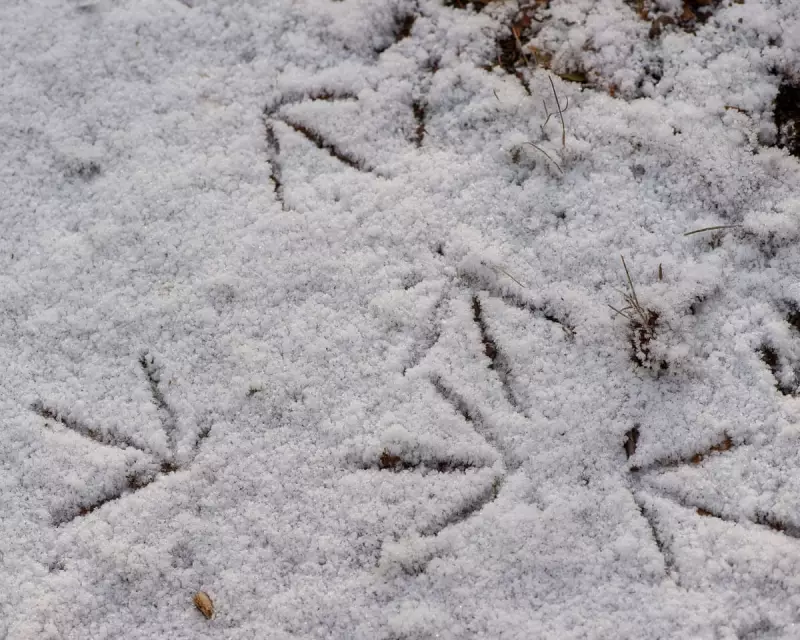
During the census, participants meticulously recorded evidence of animals such as foxes, deer, birds, and smaller mammals, using the snow as a canvas to identify tracks and behaviours. This method allows for non-invasive monitoring, providing insights into species distribution and activity patterns during the colder months. The data collected is expected to aid in conservation planning and raise awareness about the challenges wildlife faces in winter.

Key findings from the census include:
- Increased sightings of certain bird species adapting to snowy habitats.
- Evidence of predator-prey interactions through track analysis.
- Notable absences or declines in some animal populations, prompting further investigation.
Implications for Biodiversity and Education
This project underscores the critical role of youth-led initiatives in promoting environmental education and sustainability. By participating in such censuses, young people gain practical skills in observation and data collection, while contributing to long-term conservation goals. The snowy animal census serves as a model for community-based projects that can be replicated in other regions to enhance wildlife protection efforts.
As climate change and habitat loss continue to threaten biodiversity, initiatives like this snowy census are vital for fostering resilience and encouraging proactive conservation measures among future generations.