The granite expanse of Dartmoor in Devon began to stir with the first genuine warmth of spring, casting long shadows from Haytor Rocks across the awakening landscape. After enduring months of persistent, mizzling rain, the liberation of being out on the open moor was palpable. The sun's rays gently heated the ancient stone, while the season's pioneering bumblebees hummed purposefully over vibrant yellow gorse blossoms.
A Landscape Reawakening
The trees showed subtle signs of life, with early emergers like blackthorn and willow beginning their annual cycle around the familiar wetlands of Emsworthy Mire. With binoculars held firmly, a young observer scanned the sweeping valley, hopeful for a glimpse of returning migratory birds. While mid-March remains too early for many species, the more proactive travellers often seize the opportunity to begin their northern journey ahead of schedule.
The Sound and the Sighting
Overhead, the deep, resonant cronk of a raven echoed—a sound that is both a welcome hallmark of the wild and faintly unnerving in its primordial tone. Then, a mere flicker of movement at the periphery of vision caught the watcher's attention. The reward for patient vigilance was a weary traveller, perched upon a sun-warmed granite outcrop, diligently warming its feet.

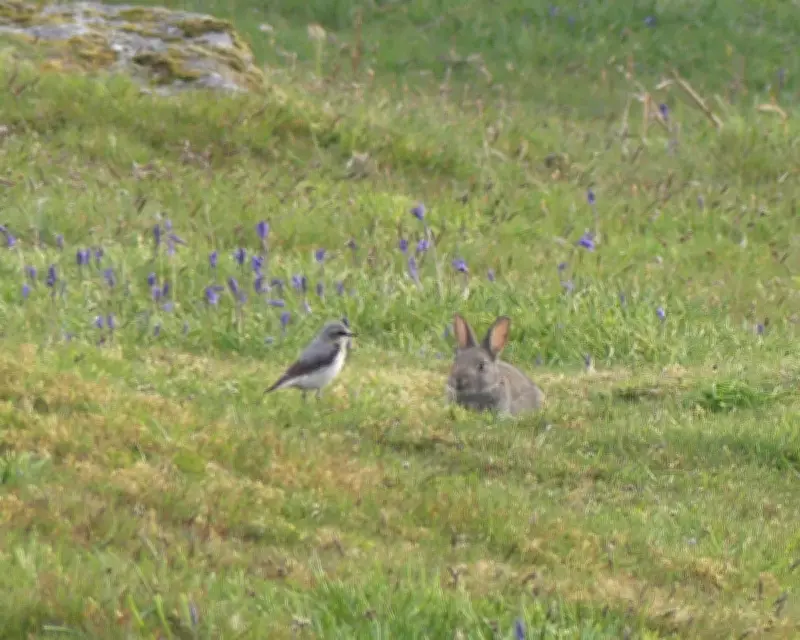
This was a wheatear, one of the very first avian migrants to return to British shores at this time of year, having completed an extraordinary winter sojourn in sub-Saharan Africa. The bird was dashingly attired: its back a soft, elegant slate grey, contrasting with a warmer peach hue across its chest and stomach. Yet, its most celebrated feature, the brilliant white rump from which it derives its name, was unmistakable. Clearly proud of this distinctive marking, the wheatear flashed its signature patch before vanishing into the moorland scenery.
The Name and the Milestone
The name 'wheatear' originates from an old English phrase, literally translating to "white arse"—a direct and humorous reference to that conspicuous white rump. For the young naturalist, spotting the first wheatear of the year represents a significant personal milestone. While the signs of spring are manifold—from buzzing bees and fluttering butterflies to the strengthening sunshine—the sight of that distinctive white flash is the definitive, authentic confirmation that the new season has truly arrived.
The observer, 14-year-old Henry, shared this moment from Dartmoor. His account forms part of the Young Country Diary series, which also featured an entry from 13-year-old Isobel, who wrote about roe deer on a glorious hillside. The submission platform for these young naturalists' observations is scheduled to reopen on Wednesday, 1st April, inviting a new wave of spring entries from aspiring writers and wildlife enthusiasts.