This week's global wildlife photography collection presents a stunning visual journey across continents, capturing both the majesty of nature and the pressing conservation challenges facing numerous species. From award-winning ecological images to heartwarming animal moments, photographers have documented remarkable scenes from research centres to national parks.
Ecological Photography Winner
An American crocodile demonstrating remarkable tolerance as blood-sucking horse flies feed on its snout has been crowned the Overall Winner of the British Ecological Society's prestigious annual photography competition, Capturing Ecology. The image, captured in a quiet Panamanian tidal marsh, showcases this apex predator's surprising patience in a moment that truly wouldn't hurt a fly.
Conservation Concerns Across Continents
Multiple species face significant challenges according to this week's photographic evidence. Axolotls, those adorable little salamanders enjoying immense online popularity, are becoming vanishingly rare in their natural habitats where the species faces increasing threats. Meanwhile, in parts of Victoria and South Australia, koala overpopulation is leading to defoliation and starvation, creating a paradoxical situation where northern populations decline while southern animals eat themselves out of house and home.

Climate Impacts on Wildlife
Research indicates that penguins in Antarctica have radically shifted their breeding seasons in response to climate change, with chinstrap penguins now breeding approximately ten days earlier on average than previous patterns. This significant behavioural adaptation highlights how climate pressures are reshaping animal life cycles in vulnerable ecosystems.
Global Wildlife Highlights
The photographic collection spans remarkable scenes from around the world. A bald eagle perches majestically on driftwood in an ice-covered inlet at Maryland's Blackwater National Wildlife Refuge, while in Thailand's Andaman coast, dugong populations face concerning declines despite previously being one of the world's few viable habitats for the species.
Rare and Unusual Sightings
Extremely rare albino squirrels make an appearance, with scientists estimating only about twenty exist among nearly two million squirrels in the United States. Meanwhile, an Indian palm squirrel enjoying a biscuit in West Bengal bears remarkable resemblance to chipmunks, creating delightful visual confusion.
Conservation Success Stories
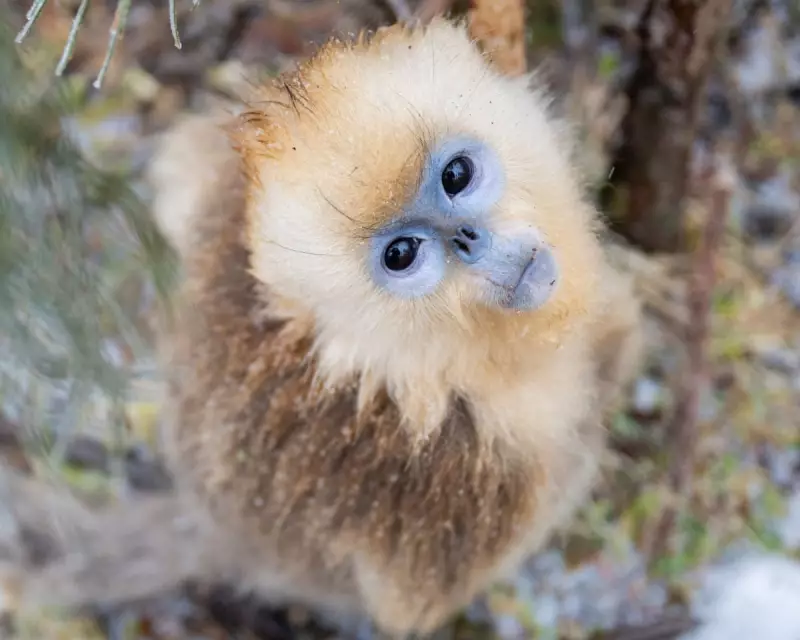
Positive developments emerge alongside concerning trends. The Dalongtan Golden Monkey research centre in China's Shennongjia National Park now hosts eleven populations of golden snub-nosed monkeys totalling 1,618 individuals across 401 square kilometres of protected habitat. Similarly, olive ridley turtle hatchlings are being released in Indonesia to boost wild populations and maintain marine ecosystem balance.
Rehabilitation and Habitat Restoration
Mrs Q, a crested caracara with a permanent wing injury, receives care and exercise at Florida's Avian Reconditioning Centre, demonstrating wildlife rehabilitation efforts. Meanwhile, Orlando Wetlands Park, originally part of the city's wastewater treatment system, now thrives as a diverse bird habitat supporting spoonbills and numerous other species.
Seasonal and Geographic Diversity
The collection captures seasonal variations across hemispheres, from a red deer walking snowy trails in Poland's Tatra National Park to a giraffe enjoying heavy rainfall in South Africa's Kruger National Park. Migration patterns feature prominently, with cranes flying over Israel's Hula Valley nature reserve, a crucial sanctuary for hundreds of millions of birds migrating between Europe, Asia and Africa.
From the microscopic detail of Egyptian mealybugs infesting a pink rose bush in West Bengal to the expansive landscapes supporting Indian one-horned rhinoceroses in Assam's Kaziranga National Park, this week's wildlife photography offers both aesthetic pleasure and important ecological documentation. Each image tells a story about habitat, behaviour, conservation status and the intricate relationships between species and their environments across our planet.