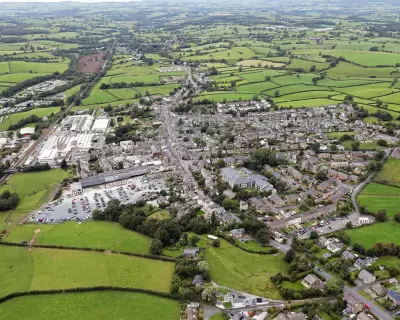
A calm, clear morning on Dartmoor reveals shallow pools smooth as glass, scattered wedges of sky reflected between grass and gorse. Walking the western edge of the moor near Lydford, known for its plunging gorge and waterfall, I am reminded that this landscape is shaped by rain—from peat bogs blanketing high ground to rocky gullies carved by streams.
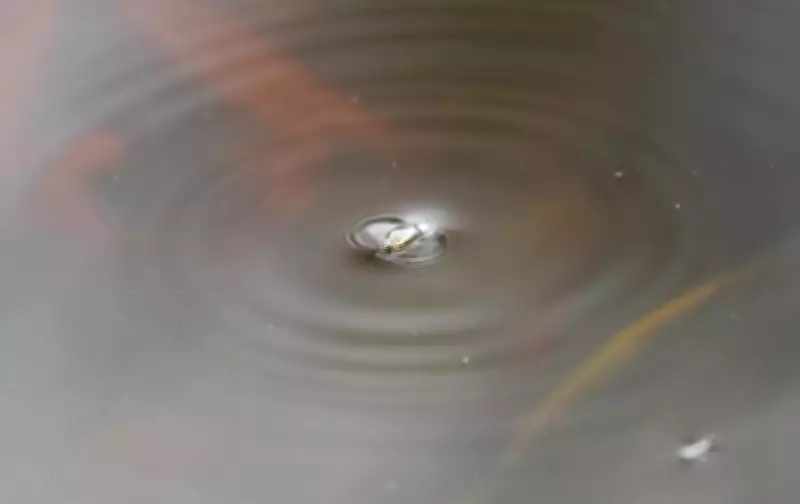
Endless puddles and pools appear completely flat and still on this windless day. But a closer look shows something agitating the water's surface. Every pool quivers with life: whirligig beetles. Small, dark, and smooth-backed, these aquatic insects are constantly on the move, spinning like motorised apple pips.
I pause to watch a cluster of a dozen or so. Some slalom left and right through the surface film, paddling their legs and leaving tiny ripples. Others carve circles on the spot or rotate in pairs, as if engaged in a barn dance. Their restless movements, seemingly as random as particles in Brownian motion, are mesmerising.

When I wave a hand over them, they respond instantly to the potential threat, gyrating frenetically as if the pool had been heated to a boil. Such hectic activity is believed to bewilder predators.
There are a dozen whirligig species in the UK, though they are hard to tell apart. They have eyes split into two pairs, enabling them to see both above and below the surface simultaneously as they hunt for prey like mosquito larvae and invertebrates that fall onto the water. They can also fly to colonise new pools and are widespread.
Whirligig beetles are easy to overlook. But even a brief time spent watching these gregarious insects feels like a focus free from other worldly cares. They remind me of sped-up films of traffic or bustling crowds of shoppers—except that their chaotic patterns never wholly make sense. And that is perhaps what is so compelling about them: they invite one to set aside meaning and appreciate that nature can confound and captivate in equal measure.