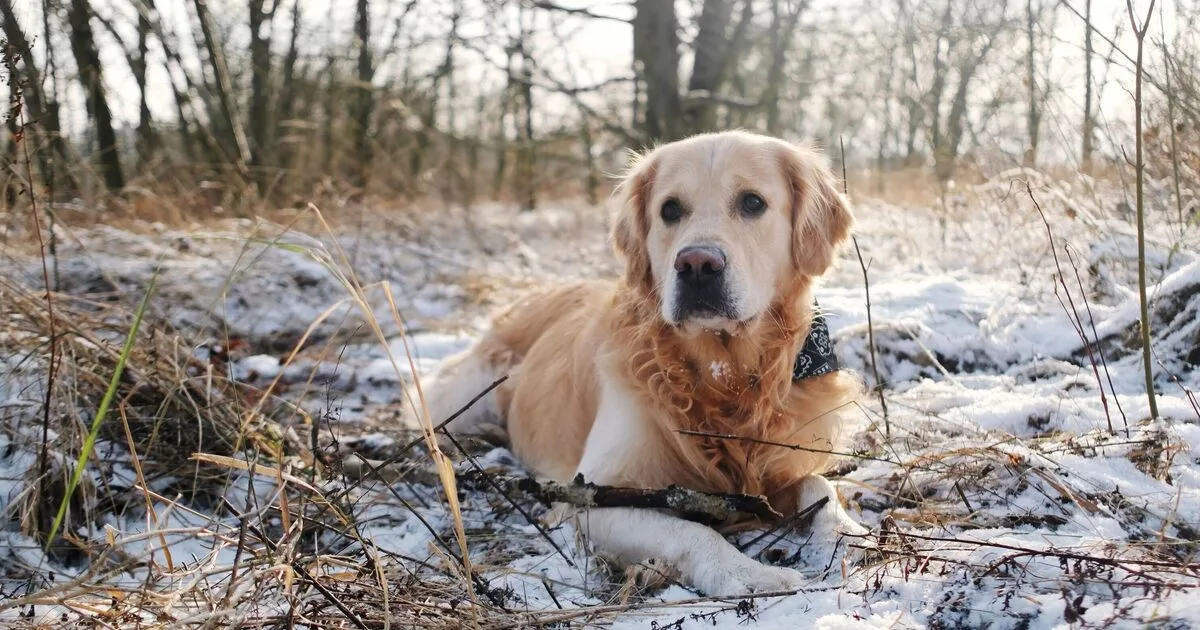
A veterinary technician has issued an urgent warning to dog owners about the dangers of cold weather, listing key signs that indicate a pet may be in distress. With much of the UK experiencing snowfall, many owners are unsure how long it is safe to walk their dogs.
Licensed vet tech Jill, speaking in a YouTube video, explained that factors such as breed, size, and fur type determine a dog's tolerance to cold. Thick-coated, high-energy breeds cope better than small, short-haired dogs. She emphasised that owners must watch for body language cues, as some dogs will not show discomfort to please their owners.
Frostbite is a serious emergency, according to Jill. It typically affects ear tips, the tail, nose, paw pads, and the underbelly. Symptoms include skin turning white, pale, or bluish. She warned: 'Once they start getting into this hypothermic condition, they're dumping body heat faster than they can recoup it.' Affected dogs should be brought inside immediately and taken to a vet.
Jill listed the top four needs for dogs in cold weather: fresh water, warm bedding, good food, and activity. She advised owners to limit outdoor time to 10–15 minutes if the air feels painful on the face. Dogs like boxers may need sweaters, jackets, and booties. She also urged using pet-safe ice melt products, as dogs can ingest toxic chemicals by licking their paws.
Other warning signs include a runny nose, shivering, or the dog standing still and refusing to move. If any of these occur, the dog should be brought indoors immediately. For further advice, consult a veterinary professional.