In a startling series of events that has sent shockwaves through coastal communities, four separate shark attacks occurred within a mere 48-hour period along Australia's east coast this week. Three of these alarming incidents took place in Sydney, prompting the immediate closure of several beaches across New South Wales as authorities scrambled to assess the threat.
A State on Edge
The consecutive attacks have placed an entire state of water enthusiasts in a state of heightened anxiety. For residents of Sydney, where beach culture forms an integral part of daily life, the psychological impact has been particularly profound. The notion that entering the water now carries significant risk represents a dramatic shift in how Australians interact with their coastal environment.
Statistical Reality Versus Psychological Fear
While statistically, the chances of fatal shark encounters remain extremely low—far lower than many other common risks—the psychological effect of multiple attacks in quick succession cannot be overstated. The Taronga Conservation Society Australia has reported concerning data showing that the average number of shark bite incidents recorded annually has increased every decade since the 1950s. During the 2020s, an average of 27 bites were recorded each year, with at least three incidents typically proving fatal.

Despite these statistics offering some rational perspective, the visceral fear experienced by beachgoers this week has been palpable. As one local resident noted, entering the water currently feels akin to "playing Russian roulette," with many reconsidering their usual swimming habits and adopting various precautionary measures along the shoreline.
Warning Signs and Public Response
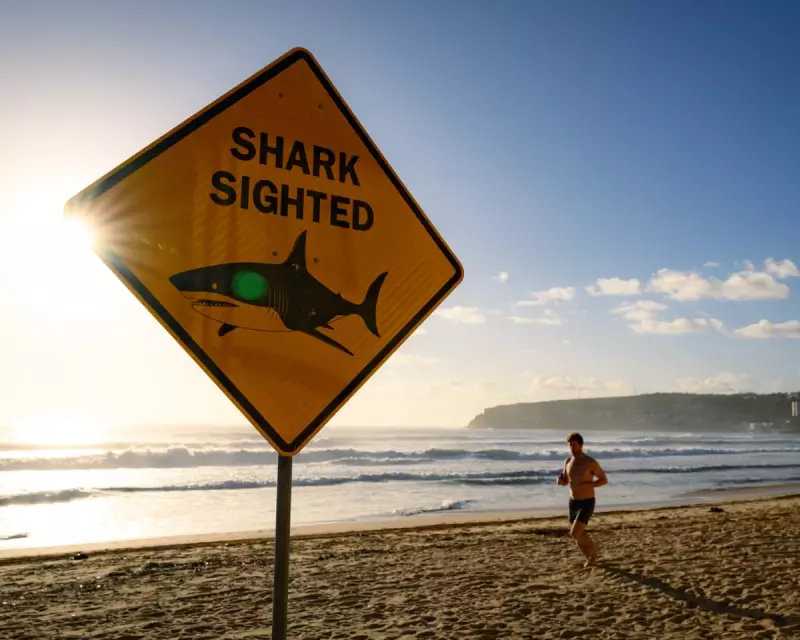
Authorities have responded by erecting prominent warning signs at affected beaches, including Manly in Sydney's north and Nielsen Park in Sydney Harbour. These visual reminders serve as constant alerts to the potential dangers lurking beneath the surface. The signs have become focal points for community discussions about water safety and the changing relationship between humans and marine ecosystems.
The Cultural Significance of Coastal Access
The timing of these attacks during peak summer months has amplified their impact significantly. For many Sydneysiders, access to beaches and waterways represents more than mere recreation—it forms the very foundation of what constitutes the "good life" in Australia's largest city. This cultural attachment to coastal spaces makes the current safety concerns particularly distressing for residents who view ocean access as an essential component of their lifestyle.
Historical context adds further complexity to the situation. Social tensions around beach access have previously surfaced in events like the Cronulla riots, demonstrating how deeply intertwined coastal spaces are with community identity and social dynamics in New South Wales.
Broader Environmental Patterns
Some observers have noted that this summer has been marked by several dramatic natural events beyond the shark attacks. Flash floods in Lorne and Wye River that submerged vehicles, alongside unprecedented bushfires in Victoria, suggest a pattern of increasingly volatile environmental conditions. The shark incidents may represent another manifestation of nature asserting itself in unexpected ways.
Moving Forward: Information and Awareness
As communities grapple with these safety concerns, calls have emerged for improved public information systems regarding shark activity. Similar to weather applications that provide UV warnings or fire danger ratings, some advocates suggest developing more sophisticated shark monitoring and alert systems. Increased public education about shark behavior—such as their attraction to brackish water, splashing, and storm conditions—could also help beachgoers make more informed decisions about when and where to swim.
While memories of this unsettling summer will inevitably fade with time, the fundamental questions raised about balancing human recreation with wildlife safety will likely persist. The relationship between coastal communities and their marine environments continues to evolve, requiring ongoing dialogue between scientists, policymakers, and the public to ensure both human safety and ecological preservation.