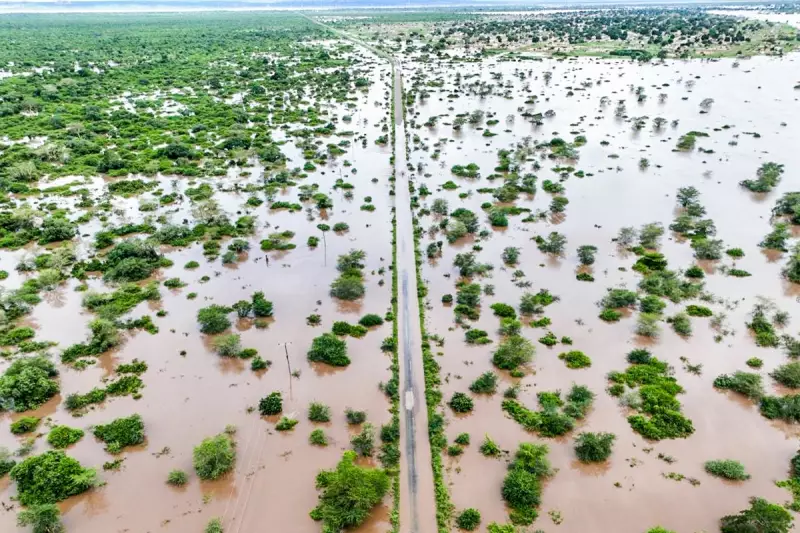
Torrential rains and severe flooding across parts of southern Africa have resulted in a tragic humanitarian and environmental crisis, with more than 100 fatalities reported across three nations, thousands of homes destroyed, and tens of millions of dollars' worth of damage inflicted upon one of the continent's premier wildlife reserves. Mozambique, South Africa and Zimbabwe have endured unusually heavy precipitation since late last year, leading to what authorities describe as the region's worst flooding in years. Rescue operations are ongoing, and the death toll is expected to rise as the full scale of the devastation becomes clearer.
Towns Submerged and Hundreds of Thousands Displaced
The flooding has had a catastrophic impact on communities across the region. In South Africa, more than 30 people have lost their lives, while in neighbouring Zimbabwe, at least 70 deaths have been attributed to the heavy rains. Mozambique has reported 13 fatalities directly linked to flooding over the past fortnight, though officials believe the actual number is likely higher. Central and southern areas of Mozambique have been particularly hard hit, with authorities ordering evacuations in some towns within the southern Gaza province.
The provincial governor states that over 300,000 individuals have been displaced in Gaza alone. Nationally, the Mozambican government estimates that more than half a million people have been affected by the disaster. The provincial capital of Xai-Xai and the nearby agricultural hub of Chokwe have been completely submerged, with only the tips of building roofs visible in some areas. North of the capital, Maputo, the tourist town of Marracuene is surrounded by water and effectively isolated.

Renowned Kruger National Park Suffers Severe Damage
In South Africa, the world-famous Kruger National Park has sustained immense damage. Environment Minister Willie Aucamp confirmed on Thursday that the flooding has caused tens of millions of dollars in destruction, with parts of the park completely cut off. Critical infrastructure, including roads and bridges, has been washed away, and staff and tourist accommodation facilities have been destroyed.
The minister indicated that the damage is so extensive within the vast, nearly 20,000-square-kilometre reserve – an area comparable in size to Israel – that a full recovery will likely take years. A special fund has been established to support the rebuilding efforts for the park, which typically attracts over one million visitors annually. While no human fatalities were reported within Kruger, hundreds of tourists and staff required evacuation from flood-stricken zones, some via helicopter.
Park officials noted that wildlife, including critically endangered black rhinos, generally move to higher ground during floods. However, the full impact on the animal populations remains uncertain and is a significant concern for conservationists.
Cross-Border Rescue Operations and Infrastructure Threats
The South African Air Force has deployed helicopters to conduct rescue missions in the northern provinces of Mpumalanga and Limpopo, saving people stranded in trees and on rooftops. The military is also engaged in cross-border operations, assisting neighbouring Mozambique where nearly 500 stranded individuals have been rescued. Photographs released by the defence force show survivors huddled on roofs, surrounded by their possessions amidst the floodwaters.
With thousands of homes and buildings destroyed, South Africa has declared a national disaster. Authorities are additionally monitoring the stability of a dam in the northeast under severe pressure from the flooding. Safety engineers have been dispatched to work on the structure, and precautionary evacuations have been ordered in case of a potential breach.
Humanitarian Crisis: Hunger and Disease Loom
Humanitarian agencies are warning of a growing secondary crisis involving hunger and disease. The extreme weather has devastated crops relied upon by millions of small-scale farmers for sustenance, threatening widespread food insecurity. Furthermore, the flooding creates ideal conditions for water-borne diseases, with cholera posing a persistent threat in the aftermath of such disasters.

The United Nations Children's Fund has highlighted that children are especially vulnerable among the more than half a million people affected in Mozambique. Access to essentials like clean water, adequate nutrition, and healthcare remains highly uncertain for displaced populations, compounding the immediate dangers of the floods.