The sole surviving monkey from a dramatic truck crash in the United States, which sparked a multi-day hunt for escaped primates, has been given a lifelong home at a wildlife refuge in New Jersey.
From Crash Site to Sanctuary
In late October, a truck transporting 21 rhesus macaques for biomedical research overturned on Interstate 59 in Mississippi. The accident led to a chaotic scene, with most of the monkeys killed either in the crash or in the immediate aftermath as they fled across the busy highway. Several, however, managed to escape into the surrounding area.
Authorities launched a search, warning locals not to approach the animals due to potential aggression. During the recapture efforts, five macaques died on the highway, and two more were later shot and killed by civilians who said they feared for their families' safety. This left three monkeys on the loose, including a young adult male who would later be named Forrest.

Forrest's Week on the Run
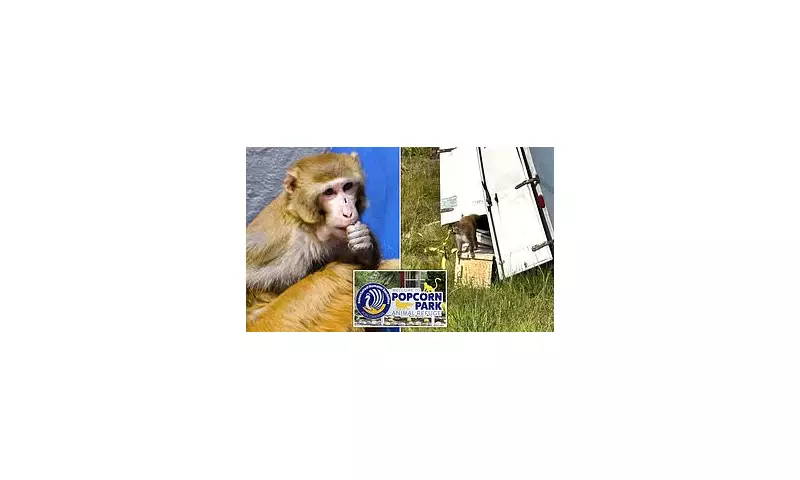
Forrest evaded capture for approximately one week. His freedom ended when a resident near the crash site spotted him and alerted officials. Workers from one of the companies involved in the transport operation successfully captured him.
Because he had been outside of captivity for so long, he could not be returned to the biomedical research programme. Instead, the non-profit Popcorn Park Animal Refuge in Lacey Township, New Jersey – about 50 miles north of Atlantic City – stepped in to offer him a permanent sanctuary.
A New Life at Popcorn Park
The refuge announced on Facebook that Forrest, who arrived with only a tattooed identification number "NI 62", is now safely housed in their Monkey House and is steadily acclimating. Staff named him Forrest, and he has begun to build trust with his caretakers and the other resident monkeys.
"He has been discovering a growing list of favorite foods, with grapes topping the list," the refuge noted. They also reported that he has started vocalising, a positive sign of growing comfort and confidence in his new surroundings.
The refuge has asked for public donations to support Forrest and the other animals in their care.
Controversy and Clarification
The crash made national headlines, partly due to initial claims from the local sheriff's office that the macaques were carrying diseases like hepatitis C, herpes, and COVID-19. Tulane University, which had previously housed the monkeys at its National Biomedical Research Center in New Orleans, later strongly refuted this.
The university clarified that it did not own the monkeys at the time of the crash and was not responsible for their transport, but stated that the animals "were not carrying any diseases and had received recent checkups confirming that they were pathogen-free." A team from the university did assist authorities at the crash site.
This incident occurred roughly a year after another escape, where 43 rhesus macaques broke out of a South Carolina breeding compound due to human error.
Rhesus macaques, native to Asia, are among the most studied animals in medical research due to their biological similarities to humans. They are highly adaptable, typically weigh around 16 pounds, and can be found in various habitats worldwide.