
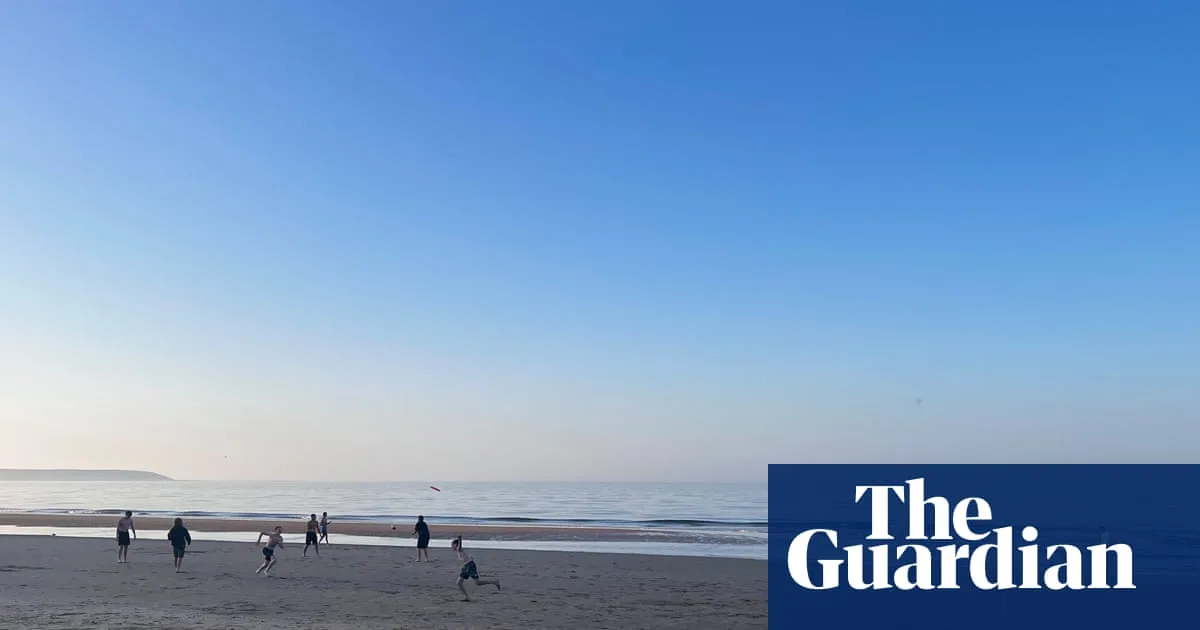
On the hottest Friday of the year, my family and I headed to Hunmanby Gap in North Yorkshire for a swim. The beach is beloved for its sand, sea, and views of Bempton cliffs, but our idyllic evening turned sour when I encountered a sewage slick just 40 metres out. Despite checking the discharge map and no recent rain, the water was contaminated with illegal filth.
This incident highlights a broader crisis: water companies are under investigation for corporate criminality, yet pollution persists. New tactics are emerging, such as Bristol Water closing a reservoir on hot days and Severn Trent Water threatening swimmers with legal action at Bartley reservoir while allowing other water sports. These companies cite safety, but statistics show cold-water swimming has far lower fatality rates than cycling or running.
The health benefits of wild swimming are well-documented, and water companies could do more to promote safe swimming, as seen in France and Scotland. Instead, they seem to resent swimmers. When the CEO of Water UK linked awareness of the sewage scandal to the rise in wild swimming, it echoed a Scooby-Doo subtext: 'We’d have gotten away with it too, if it wasn’t for those meddling kids.'
This is a familiar story of failed protections. Despite laws and real-time data, swimmers are left exposed to pollution and persecution. It is time for water companies to clean up their act and prioritise public health over profit.




