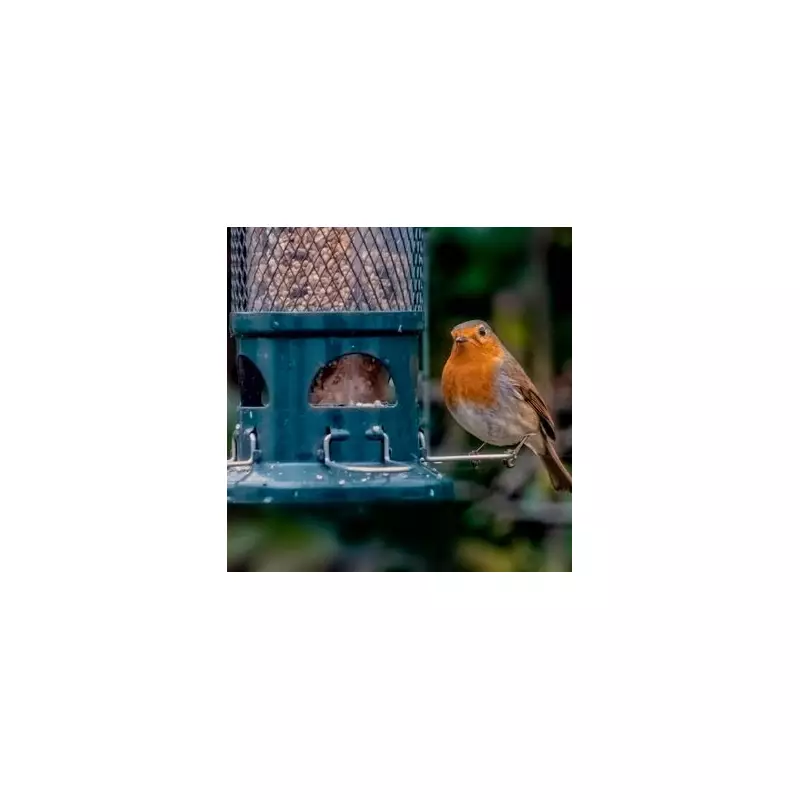
A former gardener to King Charles has shared an expert and surprisingly simple method for drawing robins into British gardens during the coldest months. The key, he says, lies in planting specific berry-producing shrubs and trees that provide a vital winter food source.
Royal Gardening Wisdom for Winter Wildlife
Jack Stooks, who dedicated 21 years of his career to tending the Royal gardens, offered his exclusive insights in an interview with Reach PLC. He explained that while robins are commonly seen foraging for worms during garden digging, a strategic planting scheme can ensure their presence throughout the season.
"Robins eat worms and bugs, so it's normally when you're digging in gardens that they start to appear," Stooks noted. However, he emphasised that gardeners can create a reliable haven for these beloved birds by choosing flora that offers sustenance when insects are scarce.

The Top Plants to Bring in the Robins
Stooks highlighted several key plants that are exceptionally effective at attracting robins in January and beyond. His primary recommendation is the cotoneaster shrub.
Renowned for its vibrant clusters of red berries, cotoneaster serves as a crucial winter larder for birds. "Things like cotoneaster, which are red berry shrubs. They're really good. They look great for you, but they also bring birds in as well," Stooks advised. This versatile shrub adds a splash of colour to the winter garden while performing the essential role of feeding wildlife.
Another excellent choice is the sorbus tree, also known as rowan or mountain ash. This compact deciduous tree produces bountiful bunches of bright berries that mature in late autumn and often persist well into winter. "Sorbus, which are trees with berries at this time of year, so that's another good one," the gardening expert explained.
Unexpected Allies and Unusual Choices
Stooks also pointed to an often-overlooked garden plant: ivy. When allowed to flower and set seed, ivy attracts a host of insects, which in turn become a natural feast for robins. "Robins also tend to look for bugs in ivies — especially if you allow them to flower and have the seeds," he said.
For those seeking a more distinctive option, Stooks recommended the black elderberry tree. Celebrated for its dramatic foliage and dark berries, it provides both nourishment and shelter. "If you want something a bit more unusual, you can get a black elderberry tree, which has a really nice leaf form," he suggested.
Creating a Robin Sanctuary This January
By incorporating a selection of these plants, gardeners can easily transform their outdoor spaces into welcoming sanctuaries for robins. The combination of cotoneaster shrubs, sorbus trees, flowering ivy, and perhaps an elderberry, ensures a steady supply of food and habitat throughout the challenging winter months.
Jack Stooks's guidance, forged over two decades of Royal service, demonstrates that with a few thoughtful plant choices, anyone can enjoy the cheerful sight of robins visiting their garden in January and beyond.