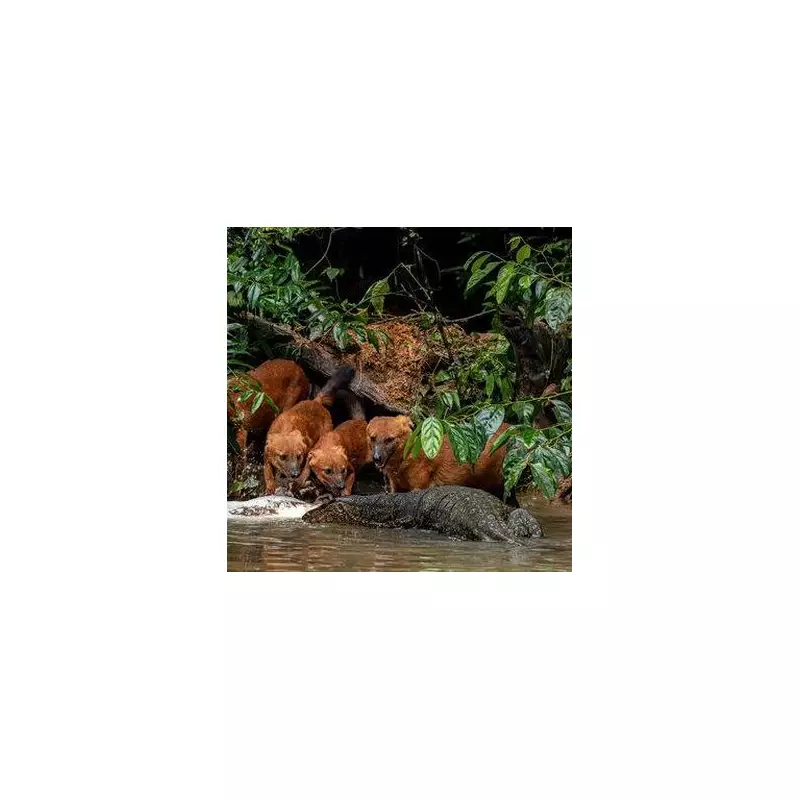
In a remarkable discovery that has excited the scientific community, a rare pack of ten Indian wolves has been documented thriving in the village of Madhaiganj, West Bengal. The finding comes from an intensive eight-month study in 2023 that combined camera traps, field surveys, and interviews with local residents.
A Glimpse into the Life of a Vulnerable Predator
The Indian wolf is classified as a vulnerable species on the International Union for Conservation of Nature (IUCN) Red List. Estimates suggest a perilously low wild population of only 2,800 to 3,300 individuals. The species faces a barrage of threats, primarily from habitat destruction due to mining and relentless hunting pressures.
As natural prey becomes scarce, the wolves are often forced to target livestock, leading to significant conflict with humans. This has resulted in many wolves being poisoned or shot. Furthermore, finding a safe territory is a constant struggle. Preferred habitats like sugar cane fields are frequently dominated by common leopards, pushing the wolves into more unconventional dens.

Surviving in a Human-Altered World
The transformation of grasslands into urban spaces has also led to a surge in feral dog populations across India. Researchers warn that these dogs can transmit diseases to the wolves and create intense competition for limited food resources.
Despite these daunting challenges, the trail camera study in West Bengal has provided a rare beacon of hope. Because the wolves are primarily nocturnal, the use of camera traps was crucial for monitoring their wellbeing. Divisional Forest Officer Anupam Khan observed that the pack appears to be thriving and settling into its environment.
Researcher Arkajyoti Mukherjee emphasised the significance of the discovery: "What we are seeing is the apex predator of India's grasslands surviving in an anthropogenically modified landscape. This is a unique carnivore persisting in one of the most altered habitats in eastern India."
The Path Forward for Conservation
While the discovery is positive, experts unanimously stress that targeted, immediate action is essential for the species' long-term survival. Officer Khan advocates for region-specific conservation measures, which could include:
- Designating and securing open habitats specifically for the wolves.
- Employing radio collaring to closely monitor their movements and ecology.
- Promoting coexistence programmes to reduce human-wolf conflict.
Mukherjee added that every new dataset from underreported regions like eastern India is vital for shaping effective future conservation policy. Meanwhile, the IUCN notes that captive breeding programmes in zoos could provide a crucial safety net. These genetically-informed programmes may support future reintroduction or population supplementation efforts in both India and Pakistan, helping to preserve the genetic diversity of wild packs.
The survival of this rare pack in West Bengal underscores a fragile resilience and highlights the urgent need for dedicated conservation efforts to ensure these vulnerable predators have a future.