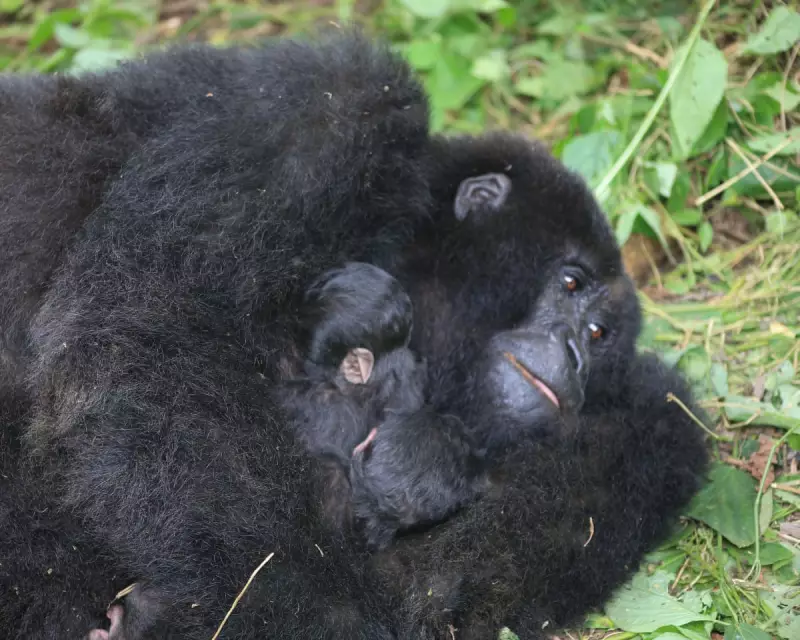
In a heartening development for wildlife conservation, a critically endangered mountain gorilla has given birth to rare twins in the Democratic Republic of the Congo's Virunga National Park. The mother, named Mafuko, was spotted with the two infant males on 3 January, an event that has brought both joy and cautious vigilance to the park's monitoring teams.
A Delicate Beginning in the Forest
Jacques Katutu, the head of gorilla monitoring at Virunga, described the poignant moment he first saw the newborns at noon. Mafuko was cradling the fragile twins in a forest clearing, the infants clinging to her for warmth. With over 15 years of experience as a ranger, Katutu has witnessed many births, but this one was particularly moving.
"Watching Mafuko holding two babies was both moving and filled me with responsibility, given the twins’ extreme vulnerability," Katutu explained. He emphasised that twin births in mountain gorillas are exceptionally rare and come with significant survival challenges. The first four weeks are considered the most critical period.

The park rangers are monitoring the mother and her babies daily. Specialist veterinarians are on standby should the gorillas show any signs of distress. While the young males are currently healthy, the subspecies suffers from high infant mortality rates; approximately a quarter of infants succumb to disease, trauma, or infanticide.
A Story of Resilience and Recovery
This birth is a testament to Mafuko's personal resilience and the broader success of conservation efforts. Her own mother was killed when Mafuko was just four years old. Tragically, Mafuko also gave birth to twins in 2016, but neither survived beyond a few days. The latest arrivals have joined the Bageni family, Virunga's largest gorilla group, which now numbers 59 individuals.
The birth marks another milestone in one of the world's most remarkable conservation comebacks. In the 1970s, mountain gorillas were on the brink of extinction with only about 250 individuals remaining, split between Uganda and the Virunga massif. Decades of intense, collaborative conservation work have seen numbers climb steadily, surpassing 1,000 in 2018. This progress led to the subspecies being downgraded from 'critically endangered' to 'endangered'.
"Mafuko is an experienced mother. She is carrying both babies and is attentive to their needs. This is encouraging, although the situation remains delicate," said Katutu. The rangers' priority is to allow her to care for the twins naturally, minimising human intervention unless absolutely necessary.
Ongoing Threats in a Dangerous Landscape
Despite the celebratory news, the environment remains perilous. The DRC section of the Virunga mountains is one of the most dangerous places on Earth for wildlife protectors. Over 220 rangers have been killed in the park over the last two decades, facing threats from rebel groups like M23, militias, and bandits who operate with impunity.
The newborns face a gauntlet of natural and human-made dangers, including disease, poachers' snares, and the risk of infanticide from other gorillas. The role of specialist veterinary care has been pivotal in the species' recovery. Organisations like Gorilla Doctors operate across Rwanda, Uganda, and the DRC, often intervening to save animals caught in poachers' traps or affected by human activity. One study credits such veterinary programs with contributing to half of the observed population increase in mountain gorillas.
For now, the rangers are hopeful but restrained. The infants will not be named until their survival seems more assured. "Initial observations show that they are calm and maintain good contact with their mother. Their behaviour is consistent with newborns in good condition, while remaining very vulnerable," Katutu concluded. The world watches, hoping these tiny twins will grow to become strong silverbacks, symbolising the enduring fight to protect our planet's most vulnerable creatures.