Phoenix Lovebirds: What Monogamous Parrots Teach Us About Lasting Bonds
Phoenix Lovebirds Teach Lessons on Monogamy and Resilience

Phoenix Lovebirds: What Monogamous Parrots Teach Us About Lasting Bonds

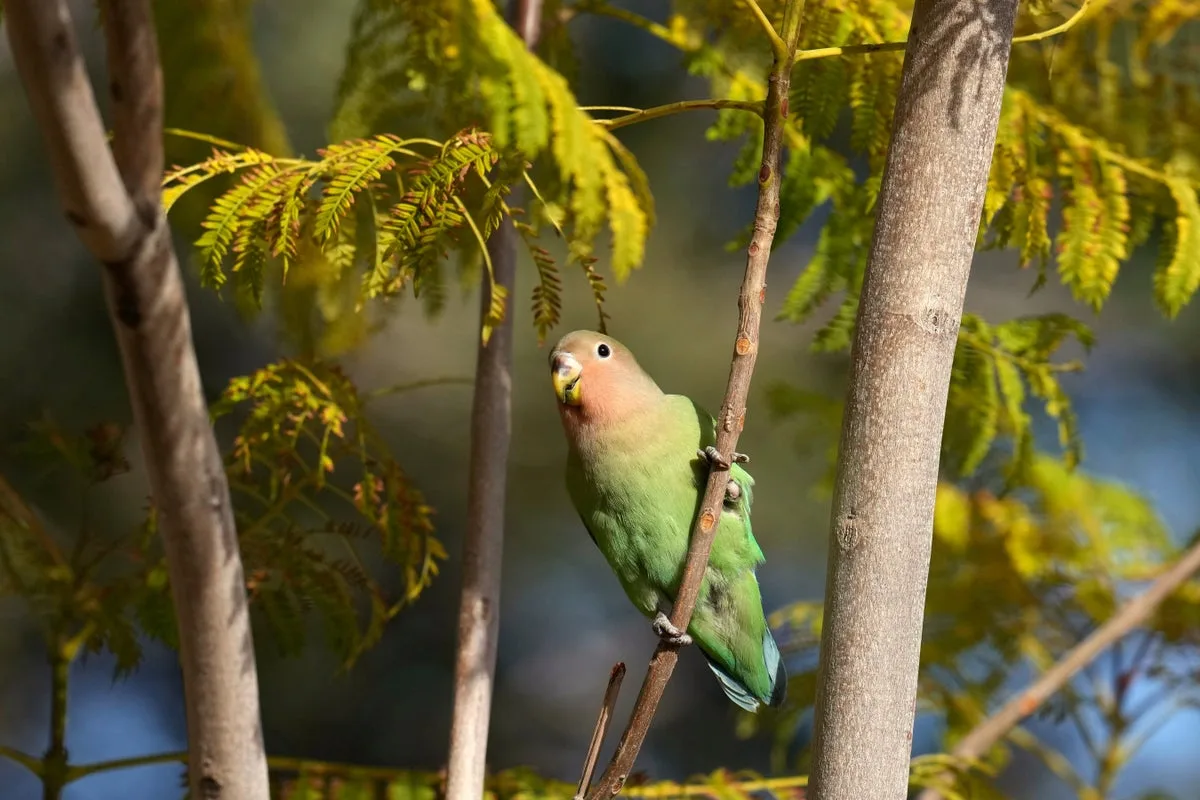
In the heart of Phoenix, Arizona, a remarkable avian phenomenon unfolds daily. Within minutes of entering a city park, observers can spot flashes of vibrant green in the sky and hear distinctive chattering calls. This spectacle is courtesy of the rosy-faced lovebird, a small parrot species that has established the world's largest colony outside its native Africa right in this urban desert landscape.

An Unexpected Desert Home

These colorful birds are transplants from another continent, believed to be descendants of escaped or released pet birds. Arizona now hosts what experts consider the most substantial population of rosy-faced lovebirds beyond southwestern Africa. Their original habitat is the Namib Desert, stretching across Angola, Namibia, and South Africa—another arid region that prepared them for Phoenix's extreme climate.

Robert Carter, a volunteer with the Maricopa Bird Alliance who leads bird walks throughout Phoenix, explains the colony's mysterious origins. "No one knows for certain how the lovebird colony began here," Carter notes. "They were first observed around the city during the 1980s. Some theories suggest pet birds escaped or were deliberately released by owners or pet stores."

Carter dismisses the possibility of natural migration, reasoning that if they had flown from Africa, they would have settled in another arid area along the journey. Today, the population has flourished to approximately 2,000 individuals, creating a thriving urban wildlife community.

Remarkable Urban Adaptations

These lovebirds have demonstrated extraordinary resilience in adapting to Phoenix's sweltering environment. They frequently nest in holes within cactus and palm trees, peering out from their roosts. On particularly scorching days, they gather near air conditioning vents on buildings, including Arizona State University's science facility, seeking relief from the intense heat.

"While I believe they should have remained in Africa," Carter admits, "I admire their adaptability. They definitely show a sense of resilience to the situation they're in."

Kenn Kaufman, field editor for Audubon magazine who has written extensively about lovebirds, confirms Phoenix's colony is the largest and most firmly established outside Africa. Other populations exist in Hawaii—on the Big Island and Maui—and a small colony of Fischer's lovebirds has settled on Portugal's southern coast.

The Science of Avian Monogamy

Lovebirds earned their romantic name through their tendency to form lifelong pair bonds. These mates perch closely together, often appearing to cuddle. While many parrot species mate for life, fewer than half of all bird species practice such fidelity. Kaufman explains that although genetic testing reveals some "socially monogamous" birds occasionally breed outside their pair while raising young with their primary mate, lovebirds show no such straying behavior.

Their bonding rituals include mutual feather grooming, particularly in hard-to-reach areas, and lifelong food sharing—not just during courtship like some other species. "They pass food to each other with their beaks, which often looks like kissing," Kaufman describes. "Though the reality might seem less romantic to humans: the exchanged food is regurgitated."

Dr. Stephanie Lamb, associate veterinarian and bird specialist at the Arizona Exotic Animal Hospital, observes that pet lovebirds often display signs of depression when losing their mate, becoming less active and making abnormal vocalizations.

Affection and Conflict in Avian Relationships

Lovebirds freely engage in what Kaufman humorously calls "parrot display of affection" even among other birds. This constant care and attention helps maintain strong bonds throughout their approximately 20-year lifespans—shorter than larger parrots but longer than smaller songbirds.

However, Lamb notes that lovebirds, like other parrots, can experience relationship conflicts. "They can sometimes be violent with each other, screaming and pecking with beaks powerful enough to crack seeds," she explains. During disputes, pairs might temporarily occupy opposite ends of their space before one approaches to nudge their way back into closeness. "Then everything's good," Lamb concludes.

This Valentine's Day, as humans contemplate romantic relationships, Phoenix's lovebirds offer natural lessons in commitment, adaptation, and the delicate balance between affection and conflict that sustains lifelong partnerships.




