Pesticide Use Continues to Threaten Global Wildlife, Study Finds
A recent study has highlighted a concerning trend: the harm caused by pesticides to wildlife is rising globally, despite stark warnings from previous research. The findings indicate that current agricultural practices are having severe and widespread impacts on biodiversity, with many species facing increased risks from chemical exposure.
Escalating Environmental Damage
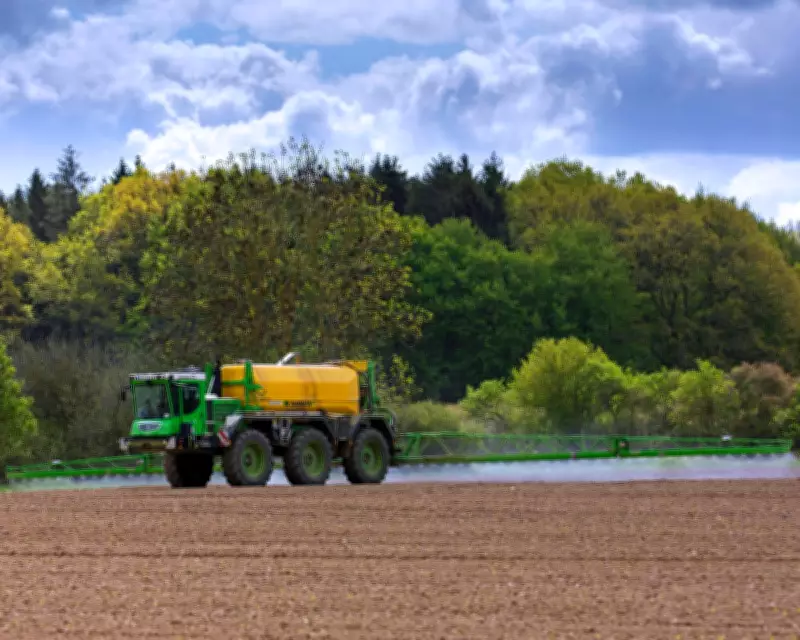
The research shows that pesticide applications are contributing to declines in insect populations, bird species, and aquatic life. This escalation occurs even as scientists have repeatedly cautioned about the dangers, suggesting that existing regulations and mitigation efforts are insufficient to curb the damage.
Key factors driving this rise include:

- Intensified agricultural production relying heavily on chemical inputs
- Inadequate monitoring and enforcement of pesticide use in many regions
- Limited adoption of alternative, eco-friendly farming methods
Global Implications and Urgent Calls for Action
The study underscores the global nature of this issue, with data from multiple continents showing similar patterns of wildlife harm. Researchers emphasize that without immediate intervention, the consequences could be irreversible, leading to further loss of ecosystems and species.
"The persistent increase in pesticide-related harm is alarming," noted one of the study authors. "It highlights a critical need for stronger policies and sustainable practices to protect our natural world."
Recommendations from the study include enhancing regulatory frameworks, promoting integrated pest management, and increasing public awareness about the environmental costs of pesticide overuse.