In a significant development for wildlife conservation, a previously undocumented wild jaguar has been photographed in southern Arizona, raising hopes that the endangered big cat may be tentatively recovering its historic range.
A Rare and Exciting Discovery
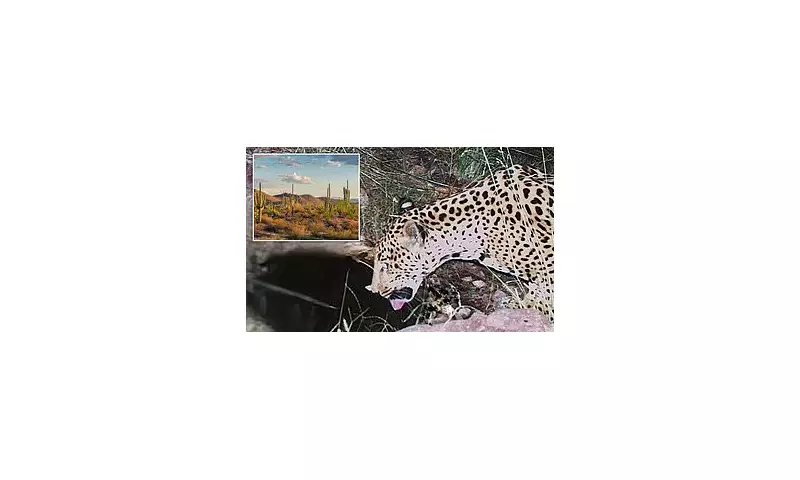
Researchers from the University of Arizona Wild Cat Research and Conservation Centre confirmed their trail cameras captured images of the never-before-seen jaguar on three separate occasions in November. The animal, now dubbed 'Jaguar #5', is the fifth individual of its kind documented in the region since 2011.
Images show the stunning creature visited a watering hole in the Sonoran Desert, after scientists believe it crossed the border from Mexico. Susan Malusa, director of the centre's jaguar and ocelot project, told the Associated Press: "We're very excited. It signifies this edge population of jaguars continues to come here because they're finding what they need."

Conservation Significance and Ongoing Threats
The continued, albeit sporadic, presence of these big cats suggests the landscape remains healthy enough to support them. However, Malusa warned that climate change and border barriers pose serious threats to the migratory corridors essential for their movement. The centre noted on Facebook: "It's the fifth individual documented here since 2011, confirming a pattern of new jaguars arriving every few years, but that window is shrinking."
Jaguars were eradicated from the United States by the mid-20th century due to hunting and habitat loss, and were listed under the Endangered Species Act in 1977. Sightings remain extremely rare, confined to remote parts of Arizona, California, Louisiana, New Mexico, and Texas. More than 99% of the jaguar's range is in Central and South America, with US sightings believed to be males dispersing from core populations in Mexico. Jaguar breeding has not been documented in the US for over a century.
Research and the Path Forward
Researchers are now working to collect scat samples from Jaguar #5 for genetic analysis to determine its sex and other vital details. Malusa noted it was remarkable the cat returned to the same area over a 10-day period, as the animals are typically elusive. She linked their movement patterns to the availability of water and prey.
"That's the message - that this species is recovering," Malusa stated. "We want people to know that and that we still do have a chance to get it right and keep these corridors open." The recent sighting follows the 2024 discovery of 'Jaguar #4' in Arizona's Huachuca Mountains, filmed by a hobbyist videographer. Each jaguar can be identified by its unique spot pattern, akin to a human fingerprint.
Despite challenges like border wall construction and habitat fragmentation, these sightings indicate a resilient species attempting to reclaim lost territory. The future of these majestic felines in the American Southwest hinges on preserving open wildlife corridors and mitigating the impacts of a changing climate.