
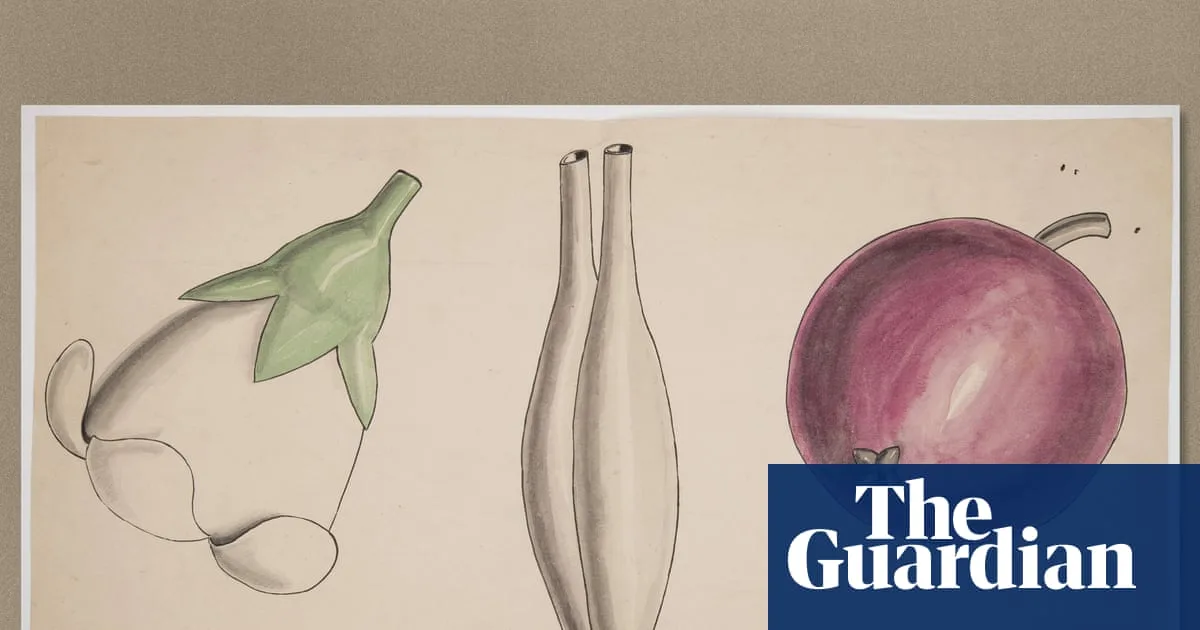
Cambridge University is launching a botany course based on materials used to teach Charles Darwin, after discovering rare specimens and illustrations in its herbarium. The fragile items, created by Darwin's mentor John Stevens Henslow, have been stored for nearly 200 years and will now be used to teach contemporary students.
Henslow, a clergyman and natural theologian, designed the course in 1827 to reveal God's wisdom through plant variation. Darwin attended the five-week course in 1828 and was so inspired he took it three years in a row. Henslow's teaching of systematic observation laid the foundation for Darwin's theory of evolution.
The new four-week summer course, run by Cambridge University Botanic Garden, will use Henslow's original materials and hands-on techniques, including field excursions to habitats Darwin visited. It aims to address the decline of standalone botany degrees in the UK, which has created a skills gap in plant science.
Prof Sam Brockington, curator of the botanic garden, said the overlap between Henslow's 19th-century curriculum and the modern course was remarkable. Dr Raphaella Hull, acting head of learning, noted that botany has largely disappeared as an undergraduate degree, leaving students without the language to describe plant diversity.




