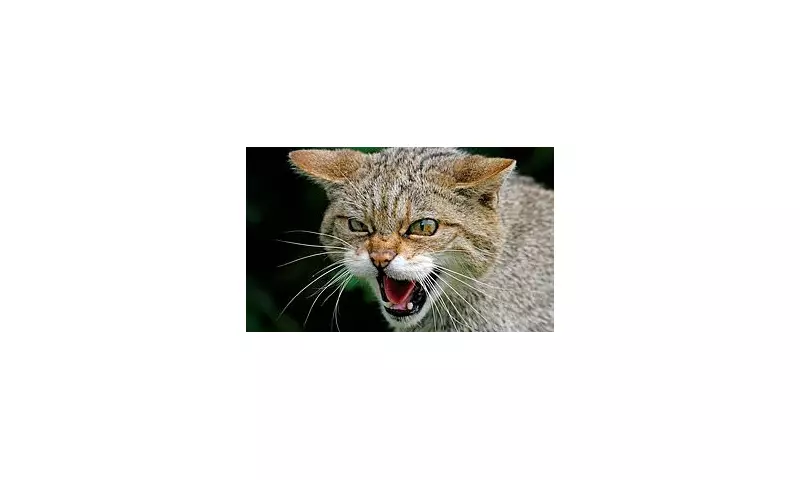
A determined effort to reintroduce the Eurasian lynx to the wild landscapes of Scotland is moving forward, despite the Scottish Government's firm opposition. A coalition of conservation charities is launching a major public consultation in the Highlands and Moray to gauge local opinion on bringing back the predator, which vanished from the country over a millennium ago.
Charities Forge Ahead with Public Consultation
The three charities driving the initiative – SCOTLAND: The Big Picture, Trees for Life, and The Lifescape Project – believe the region now possesses sufficient woodland and wild prey, like deer and mountain hares, to potentially support a population of up to 250 lynx. However, they stress any reintroduction would begin cautiously, with a small number of the Labrador-sized cats released gradually over several years, totalling no more than 20 initially.
Steve Micklewright, Chief Executive of Trees for Life, acknowledged the political hurdles but pointed to shifting public sentiment. "Political opinions and priorities can and will change as the idea of lynx returning to Scotland becomes more widely accepted and broadly supported," he stated. He cited polling indicating 61% of Scots now back the reintroduction, a rise of nine percentage points in four years.

Farmers' Fears and Political Opposition
The plan faces significant resistance from farming communities and at the highest level of government. The National Farmers' Union Scotland (NFUS) strongly opposes the move, citing serious risks to livestock welfare and rural livelihoods. This concern was echoed last year by then-First Minister John Swinney, who told the NFUS conference: "My government will not be reintroducing lynx, or indeed any other large carnivorous species in Scotland."
NFU Scotland Vice-President Duncan Macalister reinforced this stance, arguing the focus should remain on supporting existing rural businesses rather than introducing new threats. "Such proposals are wholly unacceptable to farmers and crofters," he said, highlighting unanswered questions about liability for any damage caused.
The Path Forward: Licence and Social Acceptance
Any formal reintroduction would require a licence from the government agency NatureScot, which confirmed it has not yet received an application. A spokesman for NatureScot emphasised that such projects are complex and require thorough consultation and risk assessment, ensuring the views of those most affected are prioritised.
Adam Eagle of The Lifescape Project said the current consultation is vital: "We are keen to hear from the people living and working in the regions where lynx could one day be reintroduced. Their views will help shape how a reintroduction might be managed, if it were to go ahead." The charities argue that while northern Scotland has the ecological capacity for lynx, social acceptance is equally critical for the long-term success of any return.