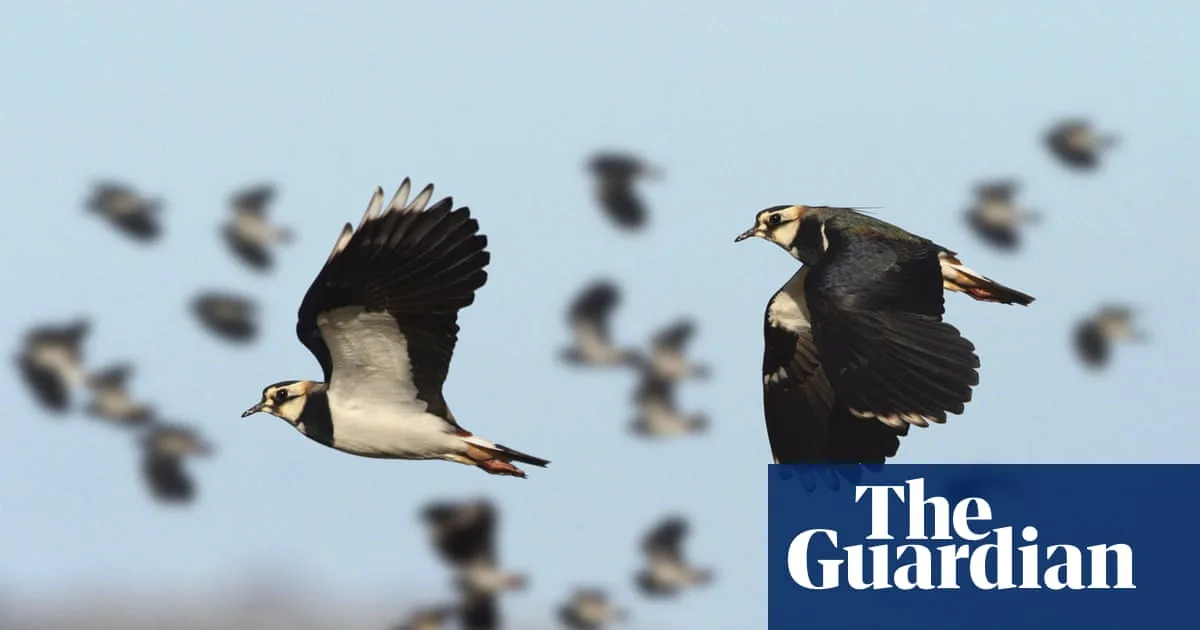
Lapwings Return to Norfolk Farm After a Decade's Absence
Lapwings Return to Norfolk After Decade-Long Absence

A shimmering spectacle in the Norfolk sky has marked the emotional return of a cherished bird to its ancestral home. After an absence of more than ten years, lapwings have been sighted once again near Caistor St Edmund, stirring childhood memories and highlighting a dramatic shift in the British countryside.

A Flash of Black and White in the Winter Sky

The sighting began with a flicker of light while driving. Pulling into a lay-by, the observer could finally make out the source: five or six broad-winged birds with a distinctive, loose flight pattern. Their black and white plumage caught the low winter sun, creating a flashing, almost ethereal display against the sky.

These were lapwings, also affectionately known as "peewits" after their characteristic call. For the observer, they are deeply rooted in childhood. Every spring, they would nest in the same field on the family farm, with winter flocks gathering in large numbers. The birds were admired for their elegant crest and iridescent, petrol-sheened feathers that shift from dark green to bronze or purple in different lights.

Some of the most intimate encounters happened at night, during pyjama-clad safaris across the farm. The lapwings would feed on invertebrates by moonlight, a strategy to reduce the risk from predators. The observer always hoped to witness their famous defensive subterfuge, where a parent bird feigns a broken wing to lure threats away from its nest—a tactic that led Chaucer to describe them as "ful of trecherye."

From Abundance to Absence: A Story of Decline

The story stretches back generations. Around sixty years ago, the observer's father recalls huge flocks of lapwings that would follow the plough, much as gulls do today. As a child, he would sit on the back of an open-cab tractor and even take shots at them with an air rifle. Despite the Protection of Lapwings Act of 1928, the birds were still commonly eaten, and their eggs were prized as a delicacy, with usually no more than two taken from a standard clutch of four.

This historical abundance is now viewed with disbelief. The primary driver of the lapwing's drastic decline has been widespread habitat loss. For over a decade, aside from occasional nomadic groups, the farm saw no lapwings at all. Their niche in the sky and on the ground was taken over by corvids: rooks swirling above woodland and jackdaws hopping across pastures.

A Heart-Lifting Harbinger of Change

The recent return, though not yet of a breeding population, is a significant and heart-lifting event. Lapwings are often encouraged to cross the North Sea ahead of cold snaps on the continent, arriving as harbingers of bad weather. Their presence again in the Norfolk skies is a poignant reminder of what has been lost, but also a spark of hope for what could return with continued conservation effort.

The contrast between the past's teeming flocks and today's rare sighting underscores a profound change in the UK's agricultural landscape and wildlife heritage. Seeing the lapwings back, even temporarily, reconnects a personal history to the land and serves as a powerful symbol of both loss and the enduring potential for recovery.