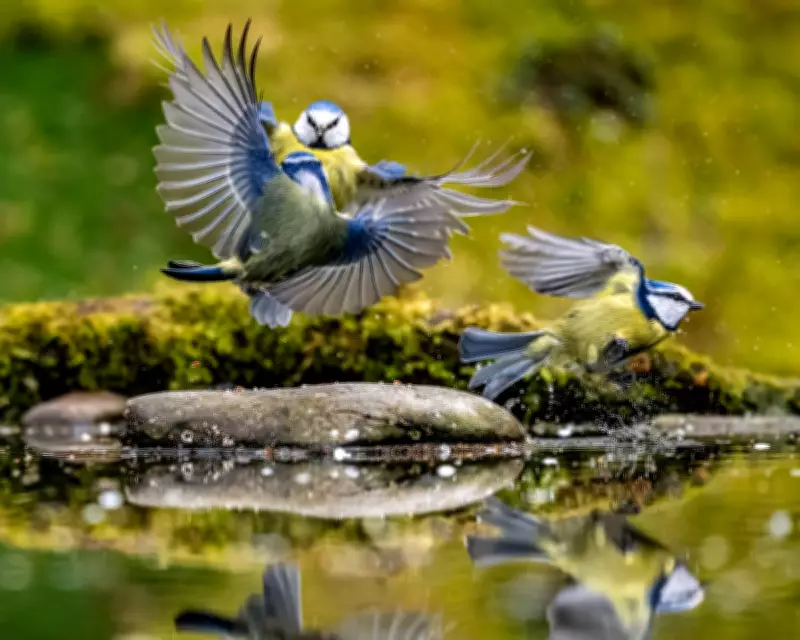
Blue tits, those feisty and familiar garden visitors, are facing a surge of concealed dangers in the very spaces we consider their sanctuaries: our own gardens. While their cheerful songs herald the nesting season, scientific findings underscore urgent threats that demand our attention.
Pesticides: A Silent Menace to Avian Populations
Studies funded by SongBird Survival have uncovered alarming impacts from common gardening habits. Approximately one-third of UK gardeners employ pesticides, with metaldehyde use linked to a nearly 40% decline in house sparrow numbers. These chemicals disrupt the natural food chain, as birds rely on invertebrates like slugs and snails for sustenance.
Natural Alternatives for a Healthier Habitat
Reducing pesticide reliance can actively revive bird populations in outdoor areas. Beyond this, planting shrubs and flowers that offer year-round natural food sources proves safer than supplementary feeding, which may inadvertently spread diseases among garden birds.

Unexpected Hazards from Pets
Well-intentioned pet owners often leave fur from grooming for nest-building, but SongBird Survival research has detected residues of highly toxic pesticides from flea treatments in blue tit and great tit nests. This reveals another hidden peril within garden environments, compounding the risks birds face.
Simple Steps for Positive Change
To ensure gardens continue to resonate with birdsong, small adjustments in gardening and pet care can yield significant benefits. By embracing eco-friendly practices, we can safeguard these cherished species for future generations.
Sue Morgan, CEO of SongBird Survival, emphasizes that proactive measures are essential to counteract these growing threats and preserve the vitality of our avian neighbours.