
Conservationists are calling for stricter regulations to combat the rising exotic pet trade, as wild reptiles, birds, and other animals are increasingly sold on internet marketplaces and promoted on social media. The issue is a key topic at the ongoing Convention on International Trade in Endangered Species of Wild Fauna and Flora (CITES) in Samarkand, Uzbekistan, which concludes this Friday.
Several proposals for greater protection are under discussion, including bans or tighter controls on trade in Galapagos iguanas, over a dozen species of Latin American tarantulas, and a distinctive African turtle. Susan Lieberman of the Wildlife Conservation Society noted a shift in demand towards reptiles and amphibians, with rare species easily available online.
Matt Collis from the International Fund for Animal Welfare (IFAW) highlighted the role of online marketplaces and social media influencers in driving the trade. “The dramatic growth in online marketplaces has put consumers directly in touch with wildlife traders and criminals around the world,” he said. An IFAW report covering 18 Latin American countries found over 100,000 animals seized or poached between 2017 and 2022, with seizures rising each year. Reptiles made up about 60% of seized animals, followed by birds (30%) and amphibians (10%).
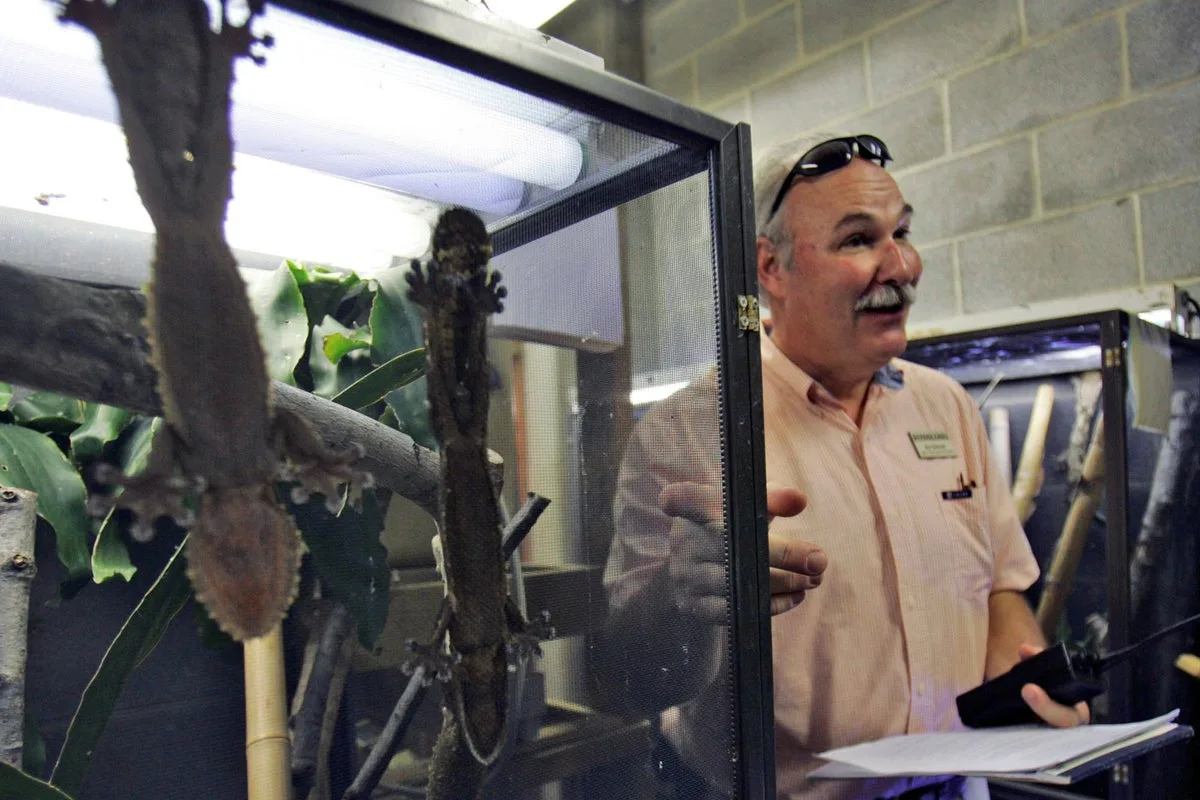
Among the species proposed for stricter controls is Home’s Hinged-back Tortoise, a critically endangered turtle from West Africa. Proposals also cover two Ethiopian vipers, two Mexican rattlesnake species, the Australian leaf-tailed gecko, and two South American sloth species. Ecuador seeks a ban on trade in marine and land iguanas from the Galapagos, citing illegal capture and mislabelling as captive-bred. Most iguanas are destined for Japan and other Asian countries, fetching up to $25,000 on the black market.
The United States supports most proposals but opposes the rattlesnake listing. A species can be banned in its home range yet sold online by traders exploiting CITES permitting and captive breeding rules.




