Florida's Iguana Crisis: Frozen Reptiles Euthanised Amid Cold Snap
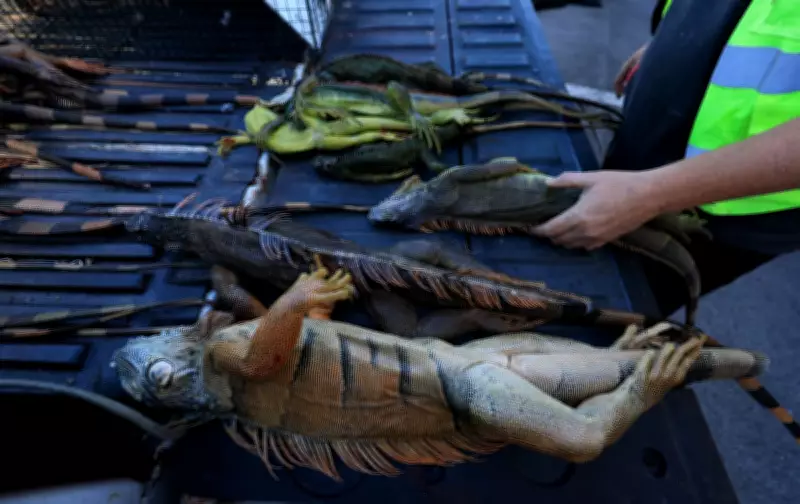
In a startling turn of events, Florida has been grappling with an unusual wildlife crisis as a recent cold snap caused numerous iguanas to freeze and fall from trees. This phenomenon, while not entirely unprecedented in the state's subtropical climate, has escalated into a significant issue, with many of these invasive reptiles being euthanised due to severe injuries sustained from the falls.
The Impact of the Cold Weather on Iguanas
Iguanas, being cold-blooded animals, are highly sensitive to temperature drops. When temperatures in Florida plummeted unexpectedly, these reptiles entered a state of torpor, essentially becoming immobilised and losing their grip on branches. This led to a widespread occurrence of iguanas dropping from trees across urban and suburban areas, creating hazards for residents and property.
Local wildlife authorities reported that the falls often resulted in broken bones or other critical injuries, leaving the iguanas in a vulnerable state. As a result, many had to be euthanised by animal control teams to prevent prolonged suffering, highlighting the harsh realities of such weather events on non-native species.

Invasive Species and Environmental Concerns
The situation underscores the broader challenges posed by invasive species in Florida. Iguanas, originally from Central and South America, have thrived in the state's warm environment, but they lack natural predators and can cause extensive damage. They are known to burrow into infrastructure, such as seawalls and sidewalks, and compete with native wildlife for resources.
This cold snap has temporarily reduced their numbers, but experts warn that it is not a long-term solution to the invasive problem. The event has sparked discussions about more sustainable management strategies, including controlled culls and public awareness campaigns to mitigate the iguanas' impact on Florida's ecosystems.
Public Response and Safety Measures
Residents have been advised to exercise caution during such cold spells, as frozen iguanas can pose risks when they fall. Authorities recommend avoiding direct contact with the animals, as they may revive once temperatures rise, potentially leading to aggressive behaviour. Community efforts have included reporting sightings to local wildlife agencies to ensure prompt and humane handling.
While the spectacle of falling iguanas has garnered attention on social media, it serves as a reminder of the delicate balance in ecosystems and the unforeseen consequences of climate variability. Florida continues to monitor the situation closely, with ongoing research into how such events might influence invasive species populations in the future.