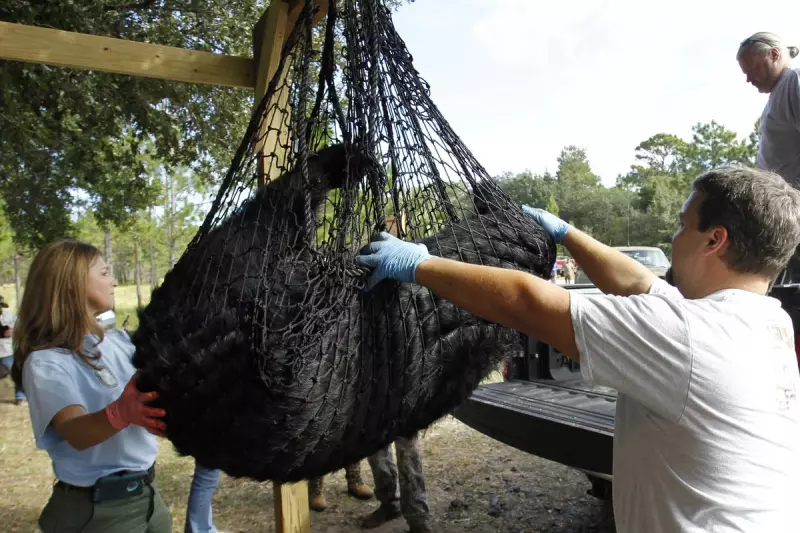
For the first time in ten years, hunters have taken to Florida's swamps and flatwoods, armed with rifles and crossbows, for a state-sanctioned hunt of the Florida black bear. The controversial season commenced on Saturday, 6 December 2025, sparking significant opposition from animal rights activists and conservation groups.
Permits, Protests, and Population Management
The Florida Fish and Wildlife Conservation Commission awarded 172 bear hunt permits via a random lottery for the 2025 season, which runs from 6 December to 28 December. Each permit allows the holder to kill one bear in specific zones where officials deem the population robust. The hunt drew over 160,000 applications, far exceeding the available permits.
Notably, opponents of the hunt actively applied for permits in an attempt to reduce the number of bears killed. The Florida chapter of the Sierra Club confirmed that at least 43 permits were issued to critics who never intend to use them. "Somewhere out there a bear will be walking the grounds of the Panhandle, and I gave them a stay of execution," said permit-holder and hunt opponent Joel Cleveland.

A Conservation Success Story Sparks Debate
The Florida black bear represents a significant conservation victory, with numbers rebounding from just several hundred in the 1970s to an estimated more than 4,000 today. State wildlife officials argue the population has grown enough to support a regulated hunt, viewing it as a standard wildlife management tool used globally.
"While we have enough suitable bear habitat to support our current bear population levels, if the four largest subpopulations continue to grow at current rates, we will not have enough habitat at some point in the future," the state's bear hunting guide states. Proponents like Mark Barton of Backcountry Hunters and Anglers say an annual hunt helps fund ongoing conservation efforts.
However, opponents label the hunt as cruel and unnecessary, arguing the real issue is human encroachment on bear habitat. They advocate for better trash management and other non-lethal methods to curb human-bear conflicts, citing reports of bears in neighbourhoods and playgrounds.
Stricter Rules After a Chaotic 2015 Hunt
This year's hunt features more stringent regulations compared to the last one in 2015, which was shut down early after chaos ensued. That year, over 3,700 permits were issued to anyone who could pay, leading to 304 bears killed in just two days, including at least 38 lactating females.
Doug Moore, who manages timberland in northeast Florida and is president of a local hunting club, described the 2015 management as "fouled up" but believes authorities are "doing it right this time." The 2025 hunt limits permits via lottery, sets regional quotas, and requires a $100 permit for residents and $300 for non-residents, plus a valid hunting licence.
Despite legal challenges from activists, the courts did not halt the proceeding. With the season now open, the debate continues over the balance between conservation, population control, and animal welfare in the Sunshine State.