Outback Town Besieged by Thirsty Camel Herd During Record Heat
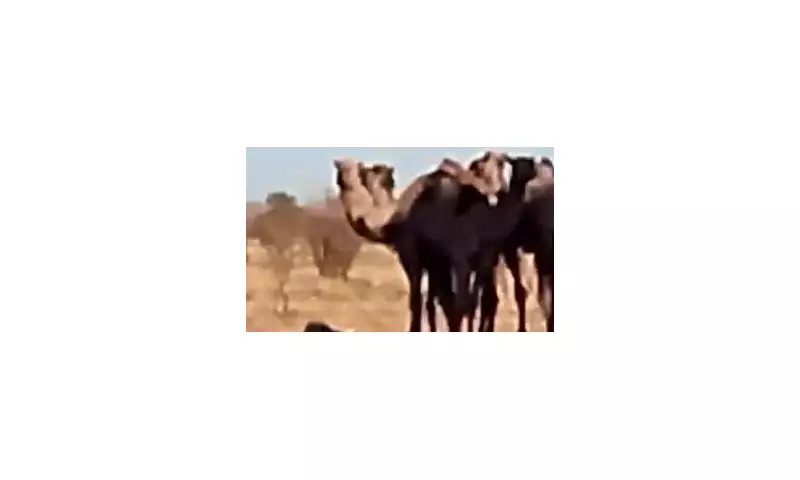
The remote Australian community of Mount Liebig, situated approximately 200 miles west of Alice Springs, has found itself under nightly siege from an enormous herd of approximately 1,000 feral camels. These animals are desperately searching for water as central Australia endures a prolonged and severe heatwave with temperatures soaring to unprecedented levels.
Nocturnal Invasions Cause Widespread Damage
According to local reports and government officials, the camels have been marching into the town under cover of darkness, targeting any available moisture sources. Northern Territory Environment Minister Joshua Burgoyne described the chaotic scenes, stating the animals are 'coming into the community at night, when everyone’s asleep, drinking what water they can find, ripping taps off'.
The destruction extends beyond water fixtures, with the powerful animals damaging air conditioning units and pushing over metal fences in their relentless quest for hydration. Each morning, council workers face the challenging task of herding the camels out of the residential areas to ensure community safety.

Record-Breaking Temperatures Exacerbate Crisis
The camel rampage coincides with extreme weather conditions across parts of Australia. Official temperature readings have reached 50°C in Marble Bar, widely regarded as the nation's hottest town. However, local residents report even higher readings, with caravan park owner Neil Munro noting his electronic gauge registered above 53°C.
This exceptional heat has created exceptionally dry conditions across the outback, with Minister Burgoyne emphasising 'it has been so dry for many months'. The combination of prolonged drought and extreme temperatures has left the landscape parched, forcing wildlife to seek water in human settlements.
Historical Context and Future Concerns
Camels were originally introduced to Australia in 1840 to assist with inland exploration. Today, an estimated one million feral camels roam across Western Australia, South Australia and the Northern Territory. While these animals can survive for weeks without drinking water under normal conditions, they require moisture from plants to do so—a resource currently scarce due to the drought.
Local authorities and residents fear these invasive camel herds will continue their destructive behaviour unless intervention measures are implemented. The situation highlights the complex challenges facing remote Australian communities as they contend with both invasive species management and increasingly extreme weather patterns linked to climate change.