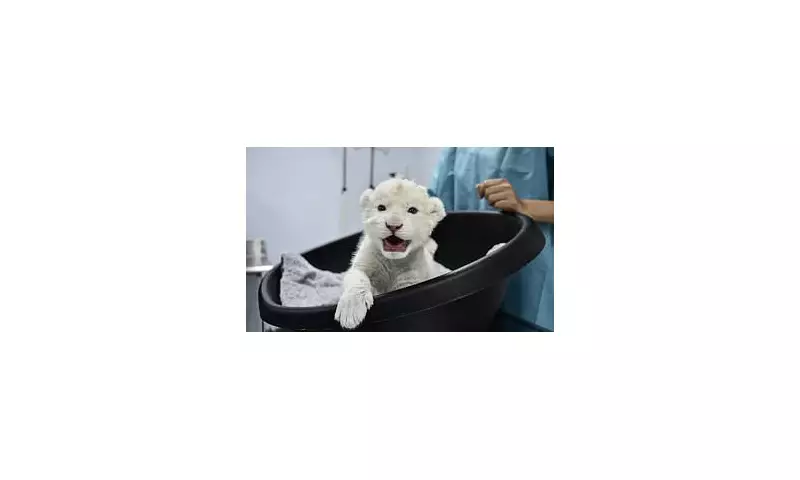
A zoo in Venezuela is heralding a festive season miracle following the birth of two critically endangered white lion cubs. The arrival of the Timbavati cubs on November 26 at Maracay Delicias Zoo marks a significant victory for their specialised conservation and reproduction programme.
A Precious Arrival Under Close Care
The zoo's veterinary medical team is closely supervising the newborns. In an interesting development, the male cub is being raised naturally by his mother, while the female cub has been isolated and is receiving assisted feeding to ensure her health and development. Officials have moved to engage the local community by announcing a contest, inviting residents to propose names for both cubs.
Public Viewing and Documenting a Rarity
Governor Joana Sánchez indicated that the public will be permitted to view the cubs in the coming days, once zoo authorities are certain their development is progressing well. Adding to the public engagement, the Zoo's President, Vanesa Rodríguez, announced the start of a photo and video documentation project to chronicle the offspring's growth. This footage will be shared with the public through the zoo's official channels.

The Genetics and Global Significance
This duo represents the first pair of white lion cubs born since 2023, following Venezuela's first-ever successful birth of three white lion cubs in captivity. It is a crucial step for the species' survival. According to the Global White Lion Protection Trust, white lions are not albino animals. Instead, they are a distinct genetic rarity, with their unique coloration caused by a recessive gene—similar to the genetic trait responsible for blue eyes in humans.
The trust confirms these lions are found only in South Africa. Their numbers are perilously low, with current global estimates at less than 200 individuals. Alarmingly, only around 10 of these magnificent creatures remain in the wild within their endemic habitat, underscoring the immense importance of captive breeding programmes like the one at Maracay Delicias Zoo.