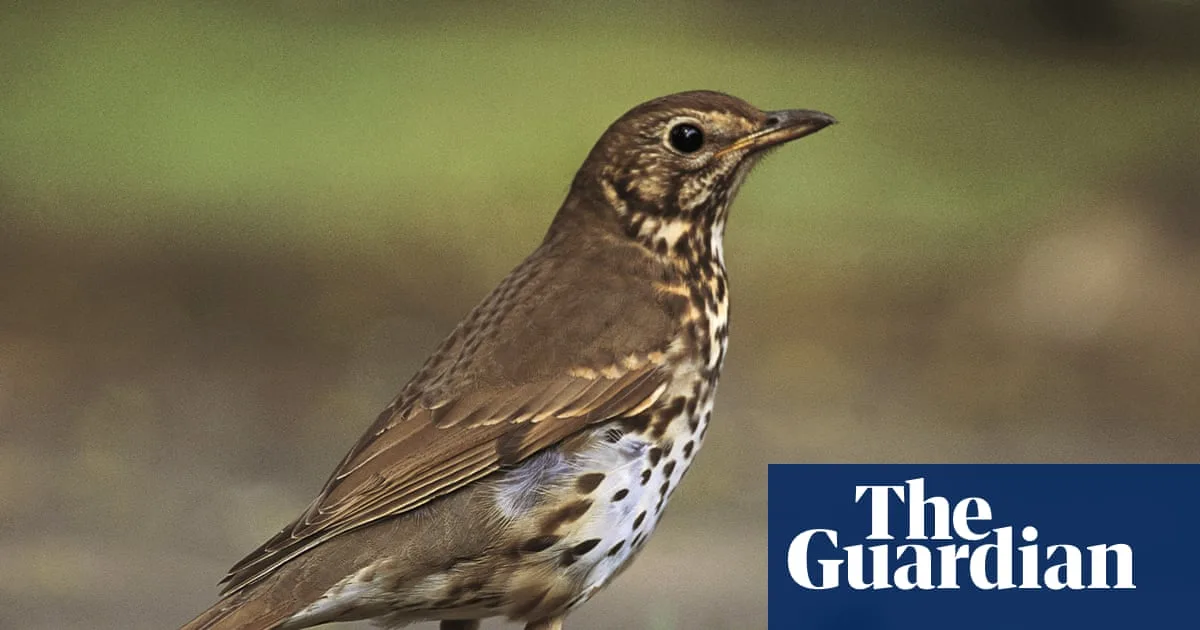
The United Kingdom is poised for an influx of rare avian visitors this winter, with bird enthusiasts anticipating heightened sightings thanks to a recent cold snap across northern Europe. According to the Royal Society for the Protection of Birds (RSPB), unsettled weather conditions on the continent are likely to drive more fieldfares and redwings to British shores, offering a unique opportunity for participants in the annual Big Garden Birdwatch.
Migratory Patterns Shift with European Weather
Fieldfares and redwings, species that typically inhabit northern Europe for much of the year, are expected to migrate in greater numbers to the UK to escape extreme cold in regions like Poland and Scandinavia. This behavioural shift is directly linked to the recent bout of chilly and unstable weather sweeping across the continent, making the relatively milder British winters a more attractive refuge.
Beccy Speight, chief executive of the RSPB, explained the phenomenon: "When compared to places such as Norway and Sweden, the UK has relatively warm winters, and we get large numbers of migratory birds from all over Europe, which travel here seeking shelter, food, and water." She added, "But numbers change every year depending on what the weather is like there and here – with the recent cold spell you may see some surprise migratory visitors outside your window."
Big Garden Birdwatch: A National Phenomenon
The prediction comes just ahead of the RSPB's Big Garden Birdwatch, scheduled for 23 to 25 January 2026. This cherished annual event invites people across the nation to spend one hour observing and counting birds in their gardens, local parks, or even from balconies and windows. Participants then submit their findings to the RSPB, contributing to a vital dataset on avian populations.
Last year's campaign saw nearly 600,000 people take part, recording over nine million birds from 80 different species. Among these, approximately 3,000 were fieldfares and redwings, highlighting the potential for increased sightings this season. The event not only fosters a connection with nature but also provides crucial insights into migratory and breeding patterns, tracking changes over time.
Long-Term Trends and Conservation Insights
The Big Garden Birdwatch has revealed significant shifts in UK garden bird populations over the decades. In 2025, woodpigeons climbed to become the third most recorded bird for the first time, trailing behind the house sparrow and blue tit. However, house sparrows, while maintaining their top spot for 22 consecutive years, experienced an 11 per cent decline compared to 2024, marking their lowest numbers since 1998 and a stark 64 per cent drop from the inaugural Birdwatch in 1979.
Meanwhile, starlings fell out of the top three garden birds, recording their lowest average count ever. These trends underscore the challenges facing wildlife, as Speight emphasised: "Birds and wildlife are struggling right now. By taking part in the Birdwatch, you and hundreds of thousands of other nature lovers across the UK are helping us understand how garden birds are doing."
Everyone Can Participate and Benefit
The RSPB encourages widespread participation, regardless of location or garden access. "Anyone, anywhere, can take part in the Big Garden Birdwatch – even if you don’t have a garden! A park, balcony, allotment or window box will do," Speight noted. She highlighted the dual benefits: "Simply spend an hour this weekend counting the birds you see. It’s good for wildlife and evidence shows it’s good for our own wellbeing too."
Reflecting on the broader value, she concluded: "Even on the greyest winter day, our local birds bring a welcome dose of wildness and nature into our everyday lives. Take a moment to pause, to listen, to notice. We need nature, and nature needs us." Whether spotting a rare redwing or a familiar robin, every observation contributes to conservation efforts and enriches personal well-being during the winter months.