Wildlife experts are issuing a stark 'beginning of the end' warning for some of Britain's most iconic birds, following a devastating surge in bird flu cases that has left dozens of swans dead in Kent.
Dead Birds Found Across Kent
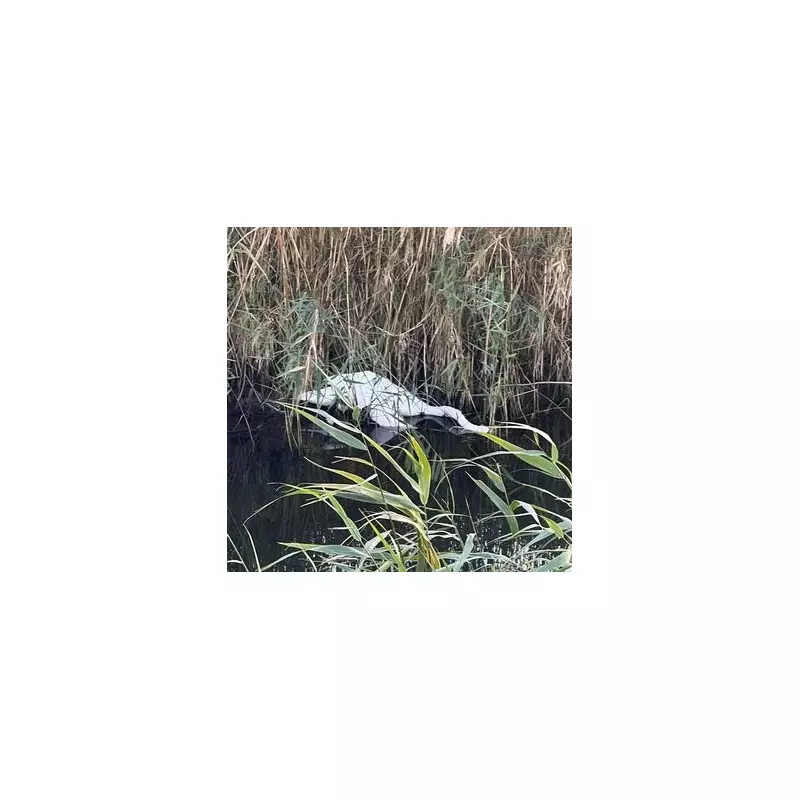
The grim reality of the outbreak became clear when rescuers recovered the bodies of at least 50 swans in the Canterbury and Thanet areas. The situation has raised major alarms, especially after the deadly disease was confirmed at a farm in Lydd.
Johnny Allen, a volunteer with Kent Wildlife Rescue, did not mince his words when speaking to Kent Online. He expressed grave fears that the swan population could be decimated, stating that the current crisis is "potentially the beginning of the end."

Winter Migration Threatens 'Carnage'
The crisis is expected to intensify dramatically in the coming days. As winter sets in, swans traditionally travel south into England, with southern counties like Kent becoming a key destination. This annual migration, experts fear, will bring carnage with it.
Mr. Allen sombrely added, "Once the flock arrives, it will be carnage. What else can I say but 'pray'?"
Populations considered most at risk are those located near:
- Ramsgate in the Minster Marshes
- The area around St Nicolas at Wade
- Reculver Towers near Herne Bay
Volunteers Act to Contain the Outbreak
Dedicated volunteers like Mr. Allen are on the front lines, working to remove the corpses of infected birds. This gruesome task is vital to prevent the virus from spreading to local wildlife that might scavenge on the dead swans.
The warning from Kent comes as another outbreak was confirmed on the royal Woodstock Estate in Oxfordshire, home to Blenheim Palace. The estate's community page on Facebook alerted the public, urging people not to touch any dead or ill birds they encounter.
The Blenheim Communities page stated, "Sadly, today, an incidence of bird flu has been confirmed on our Estate... We are working hard to limit the spread." They emphasised that by reporting distressed birds, the public can help authorities act quickly to protect the wider bird population.